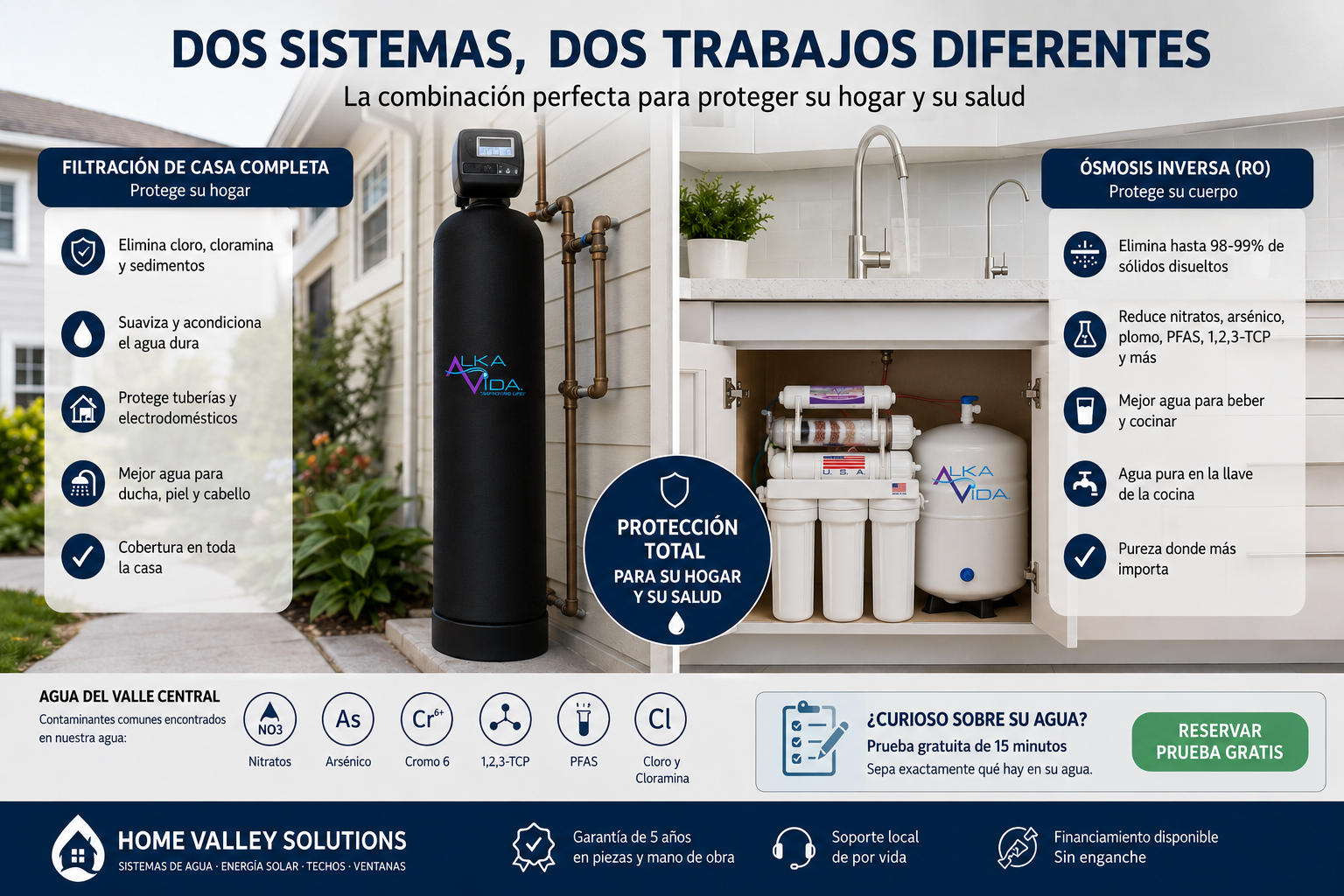
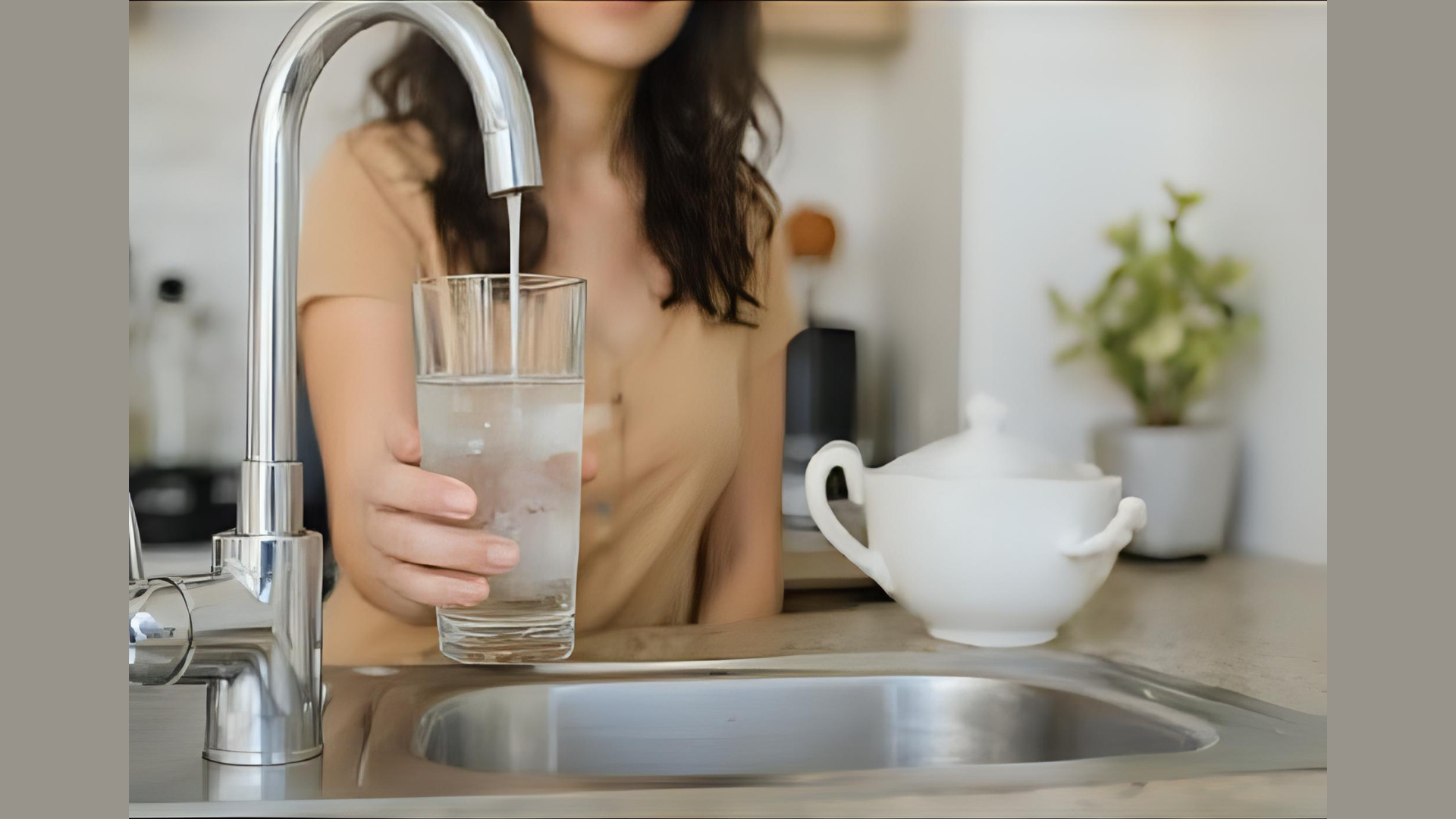
Your whole house water filtration system is working 24/7 to protect your family from contaminants, improve water quality, and extend the life of your appliances. Like any hardworking system, proper maintenance ensures it continues performing at peak efficiency for years to come.
This comprehensive guide covers everything you need to know about maintaining your whole house water system—from filter replacement schedules to troubleshooting common issues. Whether you're a new system owner or looking to optimize your existing setup, this guide will help you get the most from your investment.
Understanding Your System Components
Before diving into maintenance, it's important to understand what you're maintaining. Most whole house water systems include:
Pre-Filter / Sediment Filter
First line of defense against large particles, rust, sand, and sediment. Typically needs replacement every 3-6 months depending on water quality.
Carbon Filter
Removes chlorine, VOCs, pesticides, and chemicals that affect taste and odor. Generally replaced every 6-12 months.
Water Softener (if applicable)
Removes calcium and magnesium that cause hard water. Requires salt replenishment and periodic resin bed cleaning.
UV Sterilizer (if applicable)
Kills bacteria, viruses, and other microorganisms. UV bulb needs annual replacement.
System Valves and Bypass
Control water flow through the system. Should be tested quarterly to ensure proper operation.
Pressure Gauges
Monitor system pressure and filter condition. Check monthly for unusual readings.
Filter Replacement Schedule
Proper filter replacement is the cornerstone of system maintenance. Here's your comprehensive replacement schedule:
Every 3 Months: • Inspect all visible connections for leaks • Check pressure gauges and record readings • Look for signs of filter saturation
Every 3-6 Months: • Replace sediment pre-filter • Clean or replace any pre-filter housings • Inspect O-rings and replace if worn
Every 6-12 Months: • Replace carbon filter cartridges • Sanitize filter housings during replacement • Check and clean water softener brine tank (if applicable) • Test water quality to confirm system effectiveness
Annually: • Replace UV sterilizer bulb (if applicable) • Professional system inspection recommended • Complete system sanitization • Replace worn valves or fittings as needed • Test water hardness and TDS levels
Every 2-5 Years: • Replace RO membranes (if applicable) • Regenerate or replace water softener resin (if applicable) • Inspect and service pressure tanks • Replace system control valves if showing wear
Important: These are general guidelines. Your specific schedule depends on water quality, usage, and system type. Always consult your system documentation or contact Home Valley Solutions for personalized guidance.
Step-by-Step Filter Replacement
Follow these steps for safe, effective filter replacement:
Preparation: 1. Shut off water supply to the system (turn bypass valve) 2. Release system pressure by opening a downstream faucet 3. Gather tools: filter wrench, bucket, towels, new filters 4. Have replacement O-rings and lubricant ready
Removal: 1. Place bucket under filter housing to catch water 2. Use filter wrench to loosen housing (turn counterclockwise) 3. Remove old filter and dispose properly 4. Inspect housing for cracks, damage, or buildup
Cleaning: 1. Wash housing with mild soap and warm water 2. Sanitize with diluted bleach solution (1 tbsp per gallon) 3. Rinse thoroughly with clean water 4. Inspect and clean O-ring groove
Installation: 1. Lubricate new O-ring with food-grade lubricant 2. Insert new filter in housing (note flow direction arrows) 3. Hand-tighten housing until O-ring makes contact 4. Use wrench to tighten additional 1/4 turn (don't overtighten) 5. Slowly turn water supply back on 6. Check for leaks and tighten if necessary 7. Run water for 5 minutes to flush new filter 8. Check and adjust pressure if needed
Record Keeping: Keep a maintenance log noting: • Date of filter change • Type of filter installed • Any issues observed • Water quality readings • Next scheduled maintenance date
Common Issues and Troubleshooting
Even well-maintained systems can develop issues. Here's how to identify and resolve common problems:
Low Water Pressure
**Symptoms:** Reduced flow from faucets, weak shower pressure **Causes & Solutions:** • Clogged pre-filter → Replace sediment filter • Dirty carbon filter → Replace carbon filter • Partially closed valve → Check all valves are fully open • Pressure regulator issue → Adjust or replace regulator • Multiple filters due for replacement → Replace all due filters **Prevention:** Stay on top of filter replacement schedule. If pressure drops suddenly, check filters first.
Water Leaks
**Symptoms:** Water pooling around system, dripping from housings **Causes & Solutions:** • Loose filter housing → Tighten with filter wrench • Worn O-ring → Replace O-ring and lubricate • Cracked housing → Replace entire housing • Loose connection fittings → Tighten connections • Cross-threaded housing → Replace damaged components **Prevention:** Always lubricate O-rings during filter changes. Don't overtighten housings. Inspect O-rings each replacement.
Bad Taste or Odor Returns
**Symptoms:** Water tastes/smells like chlorine, sulfur, or chemicals **Causes & Solutions:** • Saturated carbon filter → Replace carbon filter immediately • Exhausted media → Replace filter media • Bacteria growth in housing → Sanitize system • Incoming water quality changed → Test source water, adjust filtration **Prevention:** Don't exceed recommended filter life. Consider adding carbon filter if taste/odor persists.
System Cycling Too Frequently
**Symptoms:** Softener or filter backwashes more often than normal **Causes & Solutions:** • Dirty sediment filter → Replace pre-filter • Increased water hardness → Adjust softener settings • Iron or manganese in water → Add iron filter • System malfunction → Professional inspection needed **Prevention:** Test water quality annually. Adjust system settings based on seasonal changes.
Colored Water
**Symptoms:** Yellow, brown, or rust-colored water **Causes & Solutions:** • Sediment breakthrough → Replace pre-filter immediately • Iron bacteria → Shock chlorinate system • Rusty pipes downstream → Flush lines, consider pipe replacement • Filter housing contamination → Clean and sanitize housings **Prevention:** Use appropriately-rated sediment filters for your water. Consider iron filter if high iron content.
Professional vs. DIY Maintenance
Understanding what you can handle yourself versus when to call a professional:
Safe DIY Tasks: • Regular filter replacements (sediment, carbon) • Adding salt to water softener • Cleaning filter housings • Checking pressure gauges • Basic visual inspections • Recording maintenance logs
Call a Professional For: • Annual comprehensive inspection • UV bulb replacement (electrical work) • Pressure tank servicing • Control valve repair or replacement • System reprogramming or recalibration • Plumbing modifications • Persistent water quality issues • System not performing as expected • Any task you're uncomfortable performing
Home Valley Solutions offers comprehensive maintenance plans that include: • Scheduled filter replacements • Annual professional inspection • Priority emergency service • Discounted parts and labor • Complete maintenance records • Water quality testing
Our maintenance plans ensure your system receives expert care while freeing you from tracking schedules and sourcing parts.
Seasonal Maintenance Considerations
California's climate and seasonal changes affect your water system:
Summer (June-September): • Higher water usage may require more frequent filter changes • Check for signs of sediment increase from irrigation • Monitor water softener salt levels more frequently • UV systems work harder—check for any issues • Outdoor irrigation can affect system pressure
Fall (October-December): • Prepare system for increased indoor water use • Good time for annual professional inspection • Check all heating elements if system has them • Inspect for any summer wear and tear • Replace filters before holiday guests arrive
Winter (January-March): • Protect outdoor components from cold (if applicable) • Check for condensation issues in humid areas • Good time to test water quality • Monitor for any freeze-related issues • Indoor water use increases—watch pressure
Spring (April-May): • Perfect time for complete system sanitization • Agricultural season may affect source water • Check drainage systems after winter • Replace UV bulb in early spring • Test water after spring snowmelt (if applicable)
Cost-Saving Maintenance Tips
Smart maintenance can save you hundreds of dollars:
1. Buy Filters in Bulk: Purchase 6-12 months of filters at once for volume discounts
2. Set Calendar Reminders: Timely replacement prevents damage and saves on emergency repairs
3. Keep Spare Parts: Stock spare O-rings, lubricant, and common filters for quick repairs
4. Learn DIY Skills: Master basic filter replacement to avoid service call fees
5. Join a Maintenance Plan: Often cheaper than paying for individual service visits
6. Monitor Water Quality: Early detection prevents expensive damage
7. Proper Storage: Store replacement filters in cool, dry place to maintain effectiveness
8. Document Everything: Good records help identify patterns and prevent repeat issues
9. Source Quality Parts: Cheap filters may save money upfront but cost more long-term
10. Schedule Wisely: Plan maintenance before peak usage periods to avoid emergency rates
Warning Signs You Need Professional Help
Don't ignore these red flags:
Immediate Action Required: • System won't stop running/cycling • Significant water leak • Complete loss of water pressure • Electrical issues with UV or control systems • Water quality suddenly deteriorates badly • Strange noises (grinding, clicking, buzzing) • Visible system damage or corrosion
Schedule Service Soon: • Gradual pressure decline despite filter changes • Persistent taste/odor after filter replacement • Higher than normal water bills • System older than recommended service interval • Difficulty turning valves or removing housings • Rust or corrosion developing • Inconsistent water quality
Home Valley Solutions offers 24/7 emergency service throughout the Central Valley. When you need help, our certified technicians respond quickly with fully-stocked service vehicles to resolve issues on the first visit.
Maximizing System Lifespan
With proper care, whole house water systems last 15-20+ years. Follow these best practices:
Daily: • Use water normally—systems need regular flow
Weekly: • Quick visual inspection for leaks or issues
Monthly: • Check pressure gauges and record readings • Verify system is operating normally • Check water softener salt level (if applicable)
Quarterly: • Test system bypass valve operation • Inspect all visible connections • Review maintenance log and upcoming needs
Annually: • Professional system inspection • Complete water quality test • Replace all filters and media as scheduled • Update system settings for water quality changes • Plan and budget for upcoming major maintenance
Every 5 Years: • Comprehensive system evaluation • Consider upgrades or additional filtration stages • Evaluate whether system still meets household needs • Plan for eventual system replacement
By following this maintenance schedule and addressing issues promptly, you'll ensure your investment continues protecting your family's water quality for decades. Home Valley Solutions is always here to help—whether you need filters, service, or just advice.
Ready to Improve Your Water Quality?
Get a free water test and discover how we can help you.