Living in Los Banos, California, offers a charming blend of agricultural heritage and community spirit. But beneath the surface of this vibrant Central Valley city, questions often arise about the quality of the water flowing into our homes. Given the region's agricultural intensity and geological characteristics, understanding what's in your Los Banos tap water is not just a point of curiosity—it's a foundation for making informed health decisions for your family. Our water sources, largely reliant on local groundwater and imported supplies, are subject to various influences that can impact their purity.
At Home Valley Solutions, we understand these local challenges. The Western San Joaquin Valley, including picturesque Los Banos, faces unique considerations when it comes to water quality, from naturally occurring minerals to agricultural runoff and aging infrastructure. Rather than simply accepting what comes out of the faucet, we believe every household in Los Banos deserves access to clean, safe, and great-tasting water. This guide will help shed light on the common concerns and effective solutions for ensuring your home's water meets the highest standards.
Understanding Los Banos' Water Sources & Local Geology
Los Banos primarily draws its municipal water from a combination of local groundwater wells and surface water imported via the Central Valley Project, notably from the Delta-Mendota Canal. The geology of the Western San Joaquin Valley plays a crucial role in shaping the specific contaminants found in our water. The area's aquifer systems, composed largely of alluvial sediments, can naturally contain elevated levels of certain minerals. For instance, the very soils that make our agricultural land so fertile can also contribute to mineral content in groundwater, which then impacts the Los Banos tap water quality.
Additionally, the historical and ongoing agricultural activities in the region mean that groundwater can be susceptible to infiltration from agricultural runoff, potentially carrying nitrates and pesticides. While municipal water treatment plants work diligently to meet regulatory standards, these prevalent local conditions mean that some of these substances, even if below mandated limits, can still be present. Understanding this local context—how water is sourced and how it interacts with the specific environment of Los Banos—is the first step toward appreciating the need for advanced home water filtration solutions.
Common Contaminants in Central Valley Tap Water
Beyond what might be naturally occurring, Central Valley tap water, including that in Los Banos, can contend with a range of man-made and infrastructural contaminants. Nitrates, often linked to agricultural fertilizers, are a persistent concern in many groundwater-dependent communities. High levels can be particularly dangerous for infants. Additionally, emerging contaminants, sometimes referred to as 'forever chemicals' (PFAS), are increasingly being detected in water sources across the country, and the Central Valley is not immune. Older infrastructure, including lead pipes in some homes, though less common in newer constructions, can also leach lead into water, especially during specific conditions.
Chlorine, while essential for disinfecting municipal water supplies and making it safe to drink, can also impart an unpleasant taste and odor. Furthermore, chlorine reacts with organic matter to form disinfection byproducts (DBPs), which some studies link to long-term health concerns. While official reports often indicate compliance with EPA standards, these standards are set for the broader population and may not account for individual sensitivities or the desire for truly pristine water. Addressing the Los Banos tap water quality means tackling both the regulated and unregulated substances that affect its taste, smell, and overall purity.
Why Los Banos Homes Need This
For residents of Los Banos, taking proactive steps to enhance your water quality isn't just about luxury; it's about health and peace of mind. The unique combination of agricultural influences, geological factors, and legacy infrastructure in the Western San Joaquin Valley means that municipal treatment, while effective, might not remove everything you want out of your family's drinking and bathing water. Imagine showering without the drying effects of chlorine or drinking water that tastes crisp and clean, free from worries about agricultural runoff or old pipe residue. This directly impacts daily life, from coffee taste to skin health.
Families with young children, pregnant women, or those with compromised immune systems have an even greater need for reassurance about their water purity. Investing in a home water filtration system provides an additional layer of protection, targeting specific contaminants that may be present above your comfort level, even if below regulatory limits. It's about taking control of your home environment and ensuring that the most fundamental element—your water—contributes positively to your well-being in Los Banos.
Whole-House Filtration vs. Point-of-Use Solutions
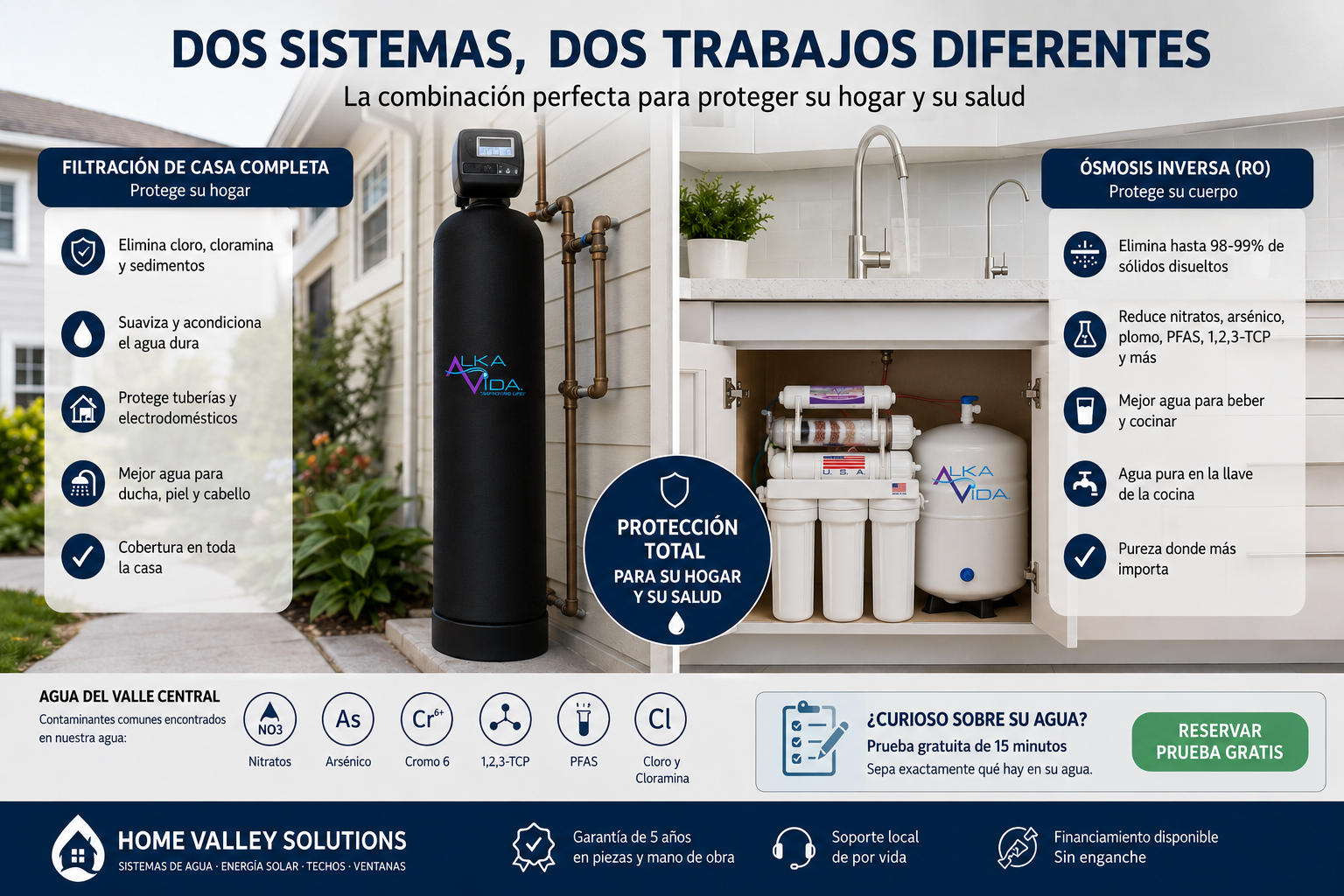
When considering improving your Los Banos tap water quality, two primary categories of filtration systems emerge: whole-house and point-of-use. A whole-house filtration system, as its name suggests, treats all the water entering your home. This means purified water for every faucet—kitchen, bathroom, laundry, and shower. Benefits include improved water for bathing, leading to softer skin and hair, removal of chlorine smells throughout the house, and protection for appliances from sediment and harsh chemicals. It's the most comprehensive approach to total home water quality.
Point-of-use systems, conversely, are installed at specific taps, such as a reverse osmosis system under your kitchen sink or a filter on your showerhead. These are excellent for targeting specific concerns at the point of consumption, offering highly purified drinking water or filtered shower water. While effective for their specific application, they don't treat the water flowing to other parts of your home. The choice often depends on your budget, specific water concerns, and desired level of coverage. For the most thorough solution addressing all aspects of Los Banos tap water quality, a whole-house system is often recommended, complemented by a specialized drinking water system like reverse osmosis for unparalleled purity.
Beyond Filtration: Understanding Water Softening in Los Banos
Water hardness is a prevalent issue across much of California's Central Valley, and Los Banos is no exception. This isn't a health concern, but hard water can lead to a host of household annoyances: mineral buildup (scale) on plumbing fixtures and appliances, dry, itchy skin, dull hair, and increased soap usage. Traditional water softeners typically use ion exchange to remove calcium and magnesium minerals, replacing them with sodium ions. This greatly improves the feel of your water and extends the lifespan of water-using appliances, thereby saving money on repairs and energy.
While traditional salt-based softeners are highly effective, some alternative conditioners exist, often marketed as 'salt-free' softeners. These don't remove minerals but rather alter their electrical charge, preventing them from sticking to surfaces. They can reduce scale but don't offer the same 'soft water feel' that many desire. Understanding the difference is key when addressing the overall quality and utility of your Los Banos tap water beyond just contaminants. For most Central Valley residents, a true water softener is the preferred solution for combating hard water issues effectively.
Your Next Step: Free Water Testing for Los Banos Homes
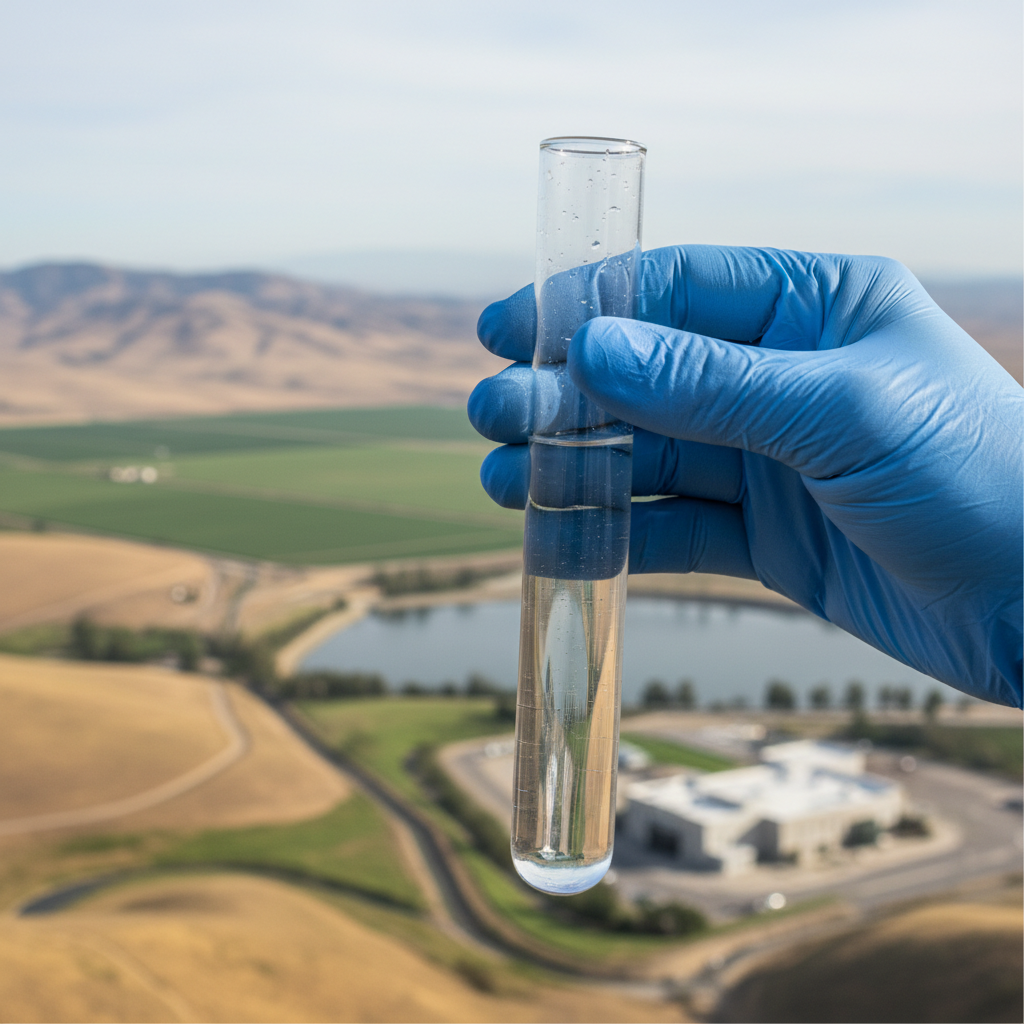
Understanding the general water challenges in Los Banos is a great start, but true confidence comes from knowing exactly what's in your home's water. At Home Valley Solutions, we believe in empowering our neighbors with accurate, personalized information. That's why we offer a completely free in-home water quality test for all residents in Los Banos and surrounding communities like Gustine, Dos Palos, and Santa Nella. Our expert technicians will visit your home at your convenience, conduct a comprehensive analysis of your tap water, and provide you with a detailed, easy-to-understand report.
This no-obligation consultation will identify specific issues like hardness levels, chlorine presence, pH imbalances, and potentially other dissolved solids relevant to your specific water source. Armed with this knowledge, we can then discuss tailored solutions—whether it's a whole-house filter, a reverse osmosis system, an alkaline water system, or a water softener—that directly address your concerns and improve your Los Banos tap water quality. There's no better way to gain peace of mind than with a clear understanding of what's flowing from your faucet. Schedule your free water test today and take the first step towards healthier, better-tasting water.
Ready to Improve Your Water Quality?
Get a free water test and discover how we can help you.