Every year the water utility serving Hollister publishes a Consumer Confidence Report (CCR), and every year most residents in 95023, 95024 either never see it or open it, glance at the wall of numbers, and set it down. The report is important — it's the most complete public record of what's actually in your tap — but it's written for engineers and regulators, not for families making decisions about drinking water. This guide translates it.
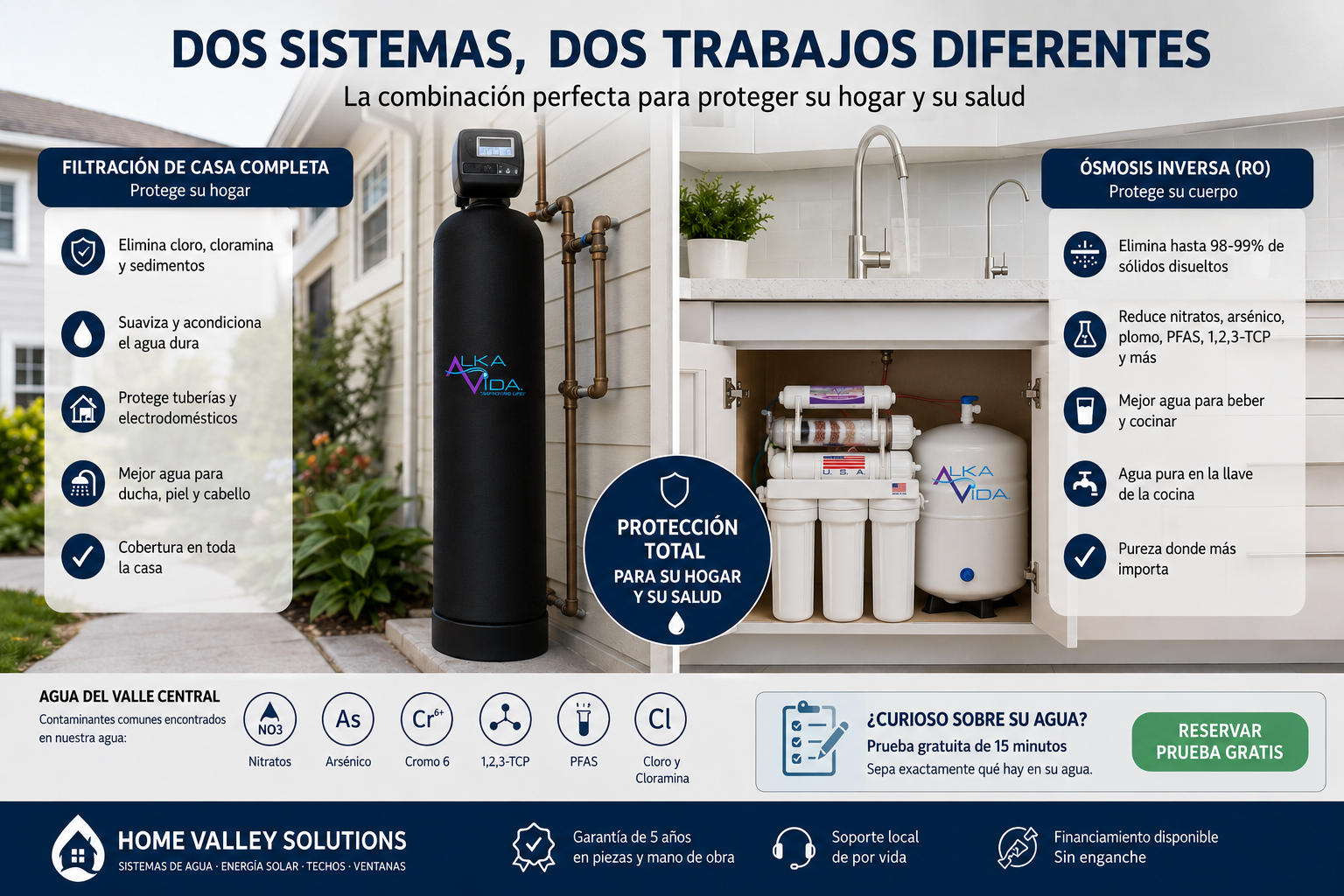
The CCR for Hollister typically shows detectable levels of a predictable cluster of contaminants tied to our geology and land use in San Benito County: nitrates, high TDS, occasional hexavalent chromium detections. Each of these has a story. Nitrates come from agricultural fertilizer runoff — a major issue for anyone in the Central Valley near active farmland, especially for pregnant women and infants. Arsenic occurs naturally in some San Benito County groundwater and has a legal limit of 10 parts per billion, but the EWG health guideline is 0.004 ppb — a 2,500× difference.
Reading the Hollister Water Quality Report Without a Chemistry Degree
Every year the water utility serving Hollister publishes a Consumer Confidence Report (CCR), and every year most residents in 95023, 95024 either never see it or open it, glance at the wall of numbers, and set it down. The report is important — it's the most complete public record of what's actually in your tap — but it's written for engineers and regulators, not for families making decisions about drinking water. This guide translates it.
The short version for Hollister: the water meets every federal Safe Drinking Water Act standard. That's the legal bar. But 'meets federal standards' and 'is what I want my kids drinking' are different questions. Federal contaminant limits (MCLs) were set decades ago and have not kept pace with the health guidelines from independent groups like the Environmental Working Group (EWG), which uses much stricter thresholds based on updated cancer and endocrine-disruption research.
The Contaminants in Hollister Water That Actually Matter
The CCR for Hollister typically shows detectable levels of a predictable cluster of contaminants tied to our geology and land use in San Benito County: nitrates, high TDS, occasional hexavalent chromium detections. Each of these has a story. Nitrates come from agricultural fertilizer runoff — a major issue for anyone in the Central Valley near active farmland, especially for pregnant women and infants. Arsenic occurs naturally in some San Benito County groundwater and has a legal limit of 10 parts per billion, but the EWG health guideline is 0.004 ppb — a 2,500× difference.
Hexavalent chromium (the 'Erin Brockovich' chemical) shows up in Hollister at levels well below the California legal limit but above the EWG guideline. Trihalomethanes and haloacetic acids are byproducts of chlorine disinfection — necessary at the plant to kill pathogens, but flagged as probable carcinogens at chronic exposure. None of these are cause for panic. All of them are removable at the point of use with the right filtration setup.
What the Report Doesn't Tell You
The Hollister CCR reports what the utility is required to test for. It does not report on emerging contaminants that aren't on the federal testing list yet — most notably PFAS (per- and polyfluoroalkyl 'forever chemicals'), microplastics, pharmaceutical residues, and lead that enters after the water leaves the treatment plant. Lead in particular is a home-specific issue: Hollister homes built before 1986 may have lead solder in copper pipes, and the CCR does not measure what happens between the utility's meter and your kitchen faucet.
It also doesn't report on 'occurrence' vs. 'compliance.' A contaminant can be detected in your water — meaning it's present — while still meeting the legal limit. The compliance number is the average across the year; a single high-reading month can hide inside an annual average that reads fine. Anyone in 95023, 95024 making decisions based only on the CCR is making them with incomplete information.
How to Test Your Own Hollister Tap Water
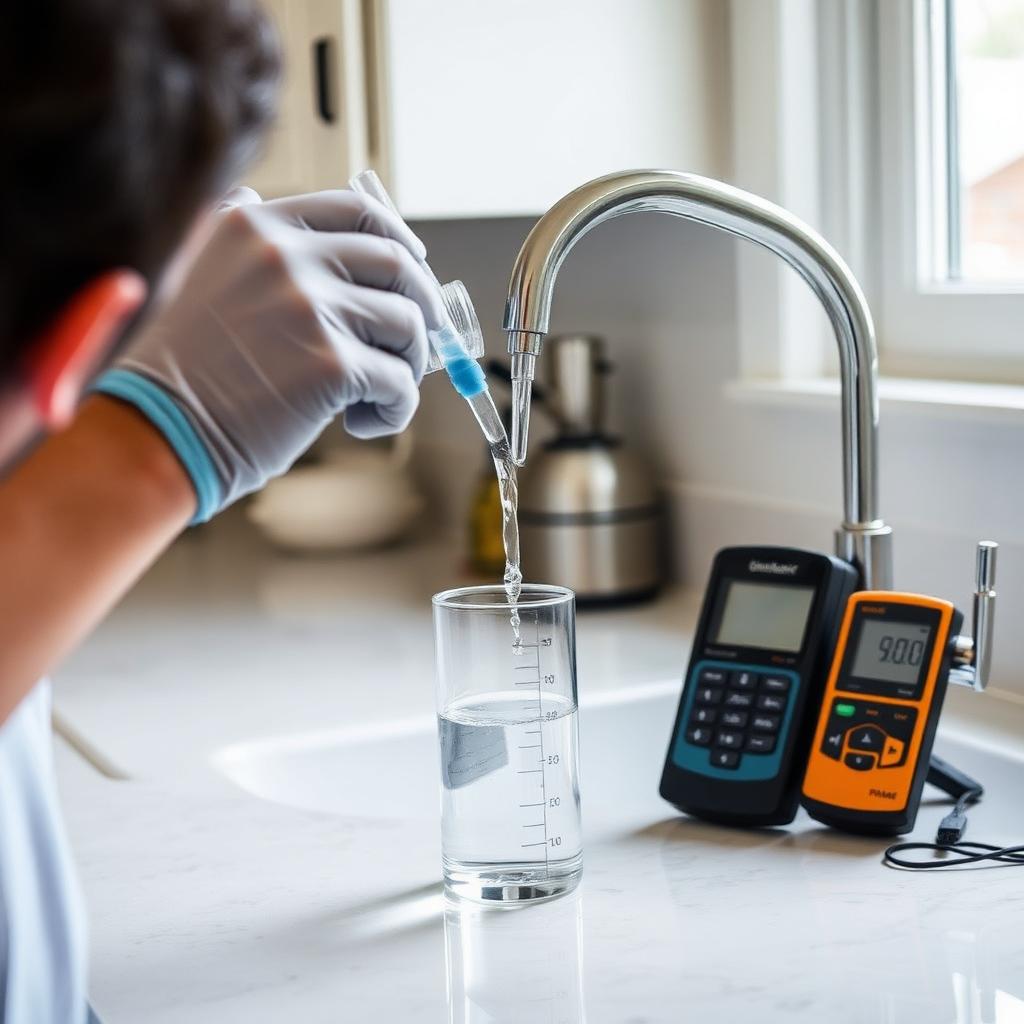
There are three tiers of home water testing available in Hollister. Tier one is a $15-$30 kit from a hardware store — pH strips, hardness test, chlorine test. Fine for a rough sanity check, useless for anything nuanced. Tier two is a mail-in lab test from a certified provider ($150-$300), which gives you a full panel for hardness, TDS, heavy metals, and common Central Valley contaminants — accurate but slow, and it doesn't come with recommendations.
Tier three is a professional in-home test from a local water specialist — the option we offer at Home Valley Solutions and the option we recommend most in Hollister. A trained technician comes to your kitchen with a 12-point test kit, walks through the results in plain English while you watch, compares your specific numbers to both federal limits and EWG guidelines, and — critically — connects those numbers to what filtration would actually help. It's free, it takes 30 minutes, and it gives you information you can act on.
Book Your Free Hollister Water Test
Home Valley Solutions is licensed, insured, and based here in the Central Valley. We test water in Hollister, San Juan Bautista, Tres Pinos, Aromas, Gilroy, and across San Benito County every week, and we know what San Benito County chemistry looks like. Your free in-home test comes with a written report, a comparison against both regulatory and EWG health guidelines, and — only if it's warranted — a plain-English recommendation for the filtration that would actually change the numbers.
No pressure, no sales script, no obligation. Book your Hollister water test today and get the honest answer to the only question that matters: what's actually in the water your family drinks?
Ready to Improve Your Water Quality?
Get a free water test and discover how we can help you.