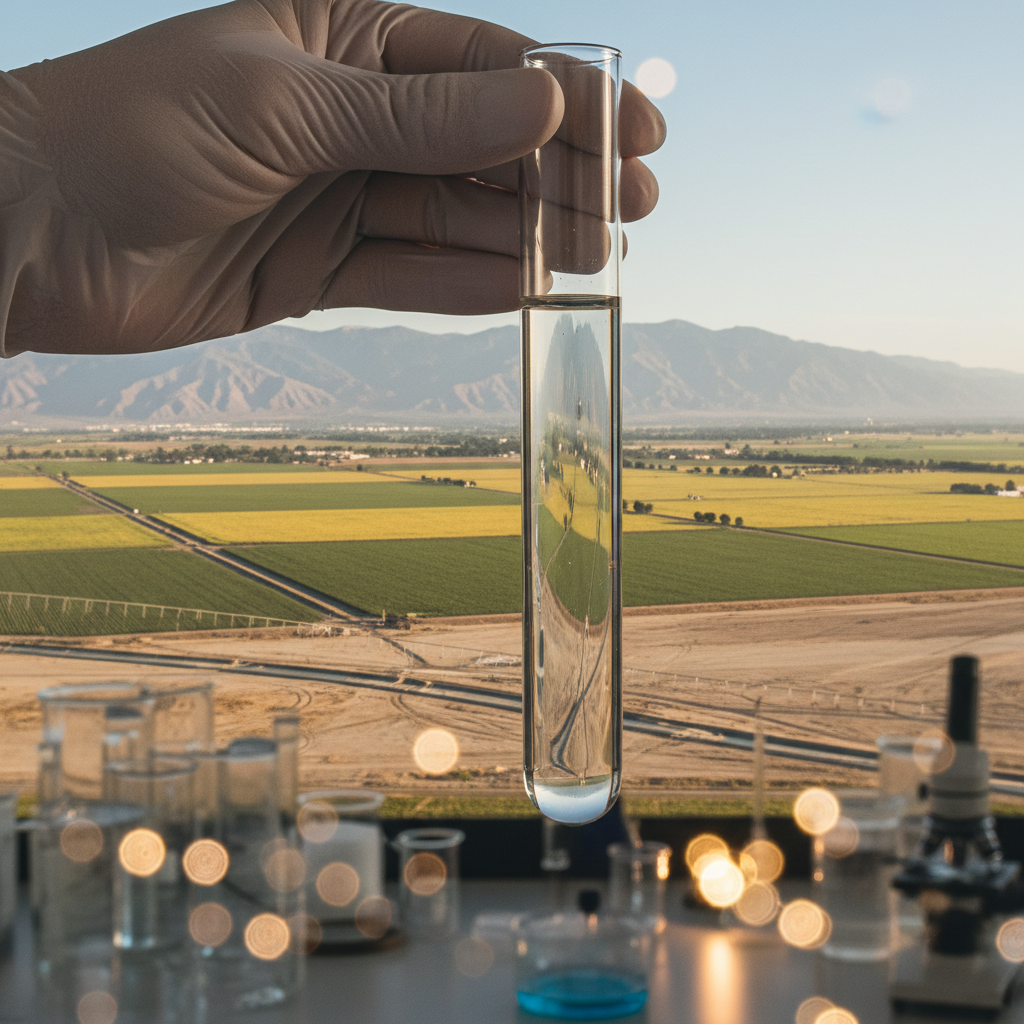
Fresno, a vibrant hub in California's Central Valley, relies heavily on a complex water system that draws from both surface water sources and the vast underground aquifers of the San Joaquin Valley. Understanding the quality of the water flowing into your home is not just a matter of curiosity; it's essential for your family's health and well-being. With unique geological characteristics and agricultural influences, residents of Fresno face specific considerations regarding their municipal water supply. This detailed look into the 2026 contaminant report aims to demystify what's potentially present in your glass.
The Central Valley, known as the 'food basket of the world,' brings many benefits, but it also presents distinct challenges for water quality. Agricultural runoff, historical industrial activities, and aging infrastructure can all contribute to the presence of various substances in the water supply. For homeowners in Fresno, these factors translate into a need for heightened awareness and potentially proactive measures to ensure optimal water purity. Our goal is to provide clear, actionable insights based on the latest available data, helping you make informed decisions about your household's water throughout Fresno and the surrounding communities.
Unpacking Fresno's Water Sources and Challenges
Fresno's water supply is a blend, drawing from both the Sierra Nevada through surface water deliveries and from the extensive groundwater basins beneath the San Joaquin Valley. This dual reliance means its quality is influenced by a multitude of factors, from snowpack levels to agricultural practices. The region's history of intensive farming has led to concerns about nitrates, pesticides, and other agricultural byproducts infiltrating the aquifer. Furthermore, the geology of the Central Valley can naturally introduce minerals and even some heavy metals into the groundwater as it seeps through various rock layers. Understanding these foundational elements is crucial to interpreting any water quality report for residents across Fresno.
The municipal water utility regularly conducts tests to ensure compliance with state and federal standards. However, these standards are minimums, and various contaminants, while permitted at certain levels, can still contribute to unwanted tastes, odors, or long-term health concerns for sensitive individuals. The sheer volume of water processed for a city the size of Fresno, combined with the age of certain distribution pipes, adds another layer of complexity. Factors like lead from older plumbing in homes, or disinfection byproducts formed during the treatment process, are also important considerations for any Fresno homeowner seeking to understand their water's true profile.
Key Contaminants Found in Our Local Water
The 2026 contaminant report for Fresno, building on previous years' findings, highlights several substances that warrant attention. Nitrates, often linked to agricultural fertilizer runoff, remain a persistent concern due to the San Joaquin Valley's extensive farming. These can be particularly problematic for infants and pregnant women. Another common finding includes disinfection byproducts (DBPs), such as haloacetic acids and trihalomethanes, which form when disinfectants like chlorine react with naturally occurring organic matter in the water. While necessary for pathogen control, high levels of DBPs are a subject of ongoing health research.
Beyond these, trace amounts of arsenic and chromium-6, naturally occurring minerals found in the region's geology, are sometimes detected. Though typically below regulatory action levels, their presence underscores the importance of robust filtration. Microplastics, an emerging contaminant, are also under scrutiny, with researchers continuing to investigate their prevalence and potential health impacts in major municipal supplies like Fresno's. Addressing these contaminants effectively requires a multi-pronged approach, moving beyond basic filtration to more advanced solutions that target specific compounds found in Fresno's unique water matrix.
Why Fresno Homes Need Enhanced Filtration
Living in Fresno, you're part of a community that understands the nuances of Central Valley resources. Your local tap water, while meeting safety standards, often carries extra baggage — things that impact taste, smell, and even long-term peace of mind. Consider the hard water issues prevalent here, leading to mineral buildup in pipes and appliances, reducing their lifespan and efficiency. Then there are the aesthetic concerns: chlorine used for disinfection can leave an unpleasant taste and odor, making basic hydration less appealing. These everyday annoyances, coupled with the potential presence of agricultural byproducts and naturally occurring minerals, make a strong case for enhanced water filtration in virtually every Fresno household.
From protecting your family from unseen contaminants to simply enjoying better-tasting coffee and teas, advanced filtration offers tangible benefits. It safeguards your plumbing from scale, extends the life of water-using appliances, and even improves the feel of your skin and hair after showering. For families in Fresno, ensuring high-quality water isn't just about avoiding problems; it's about elevating daily living and providing a superior, safer experience from every tap. Investing in tailored filtration solutions addresses these specific needs, moving beyond baseline municipal treatment to truly optimize your home's water quality.
Whole-House vs. Reverse Osmosis: Tailoring Your Solution
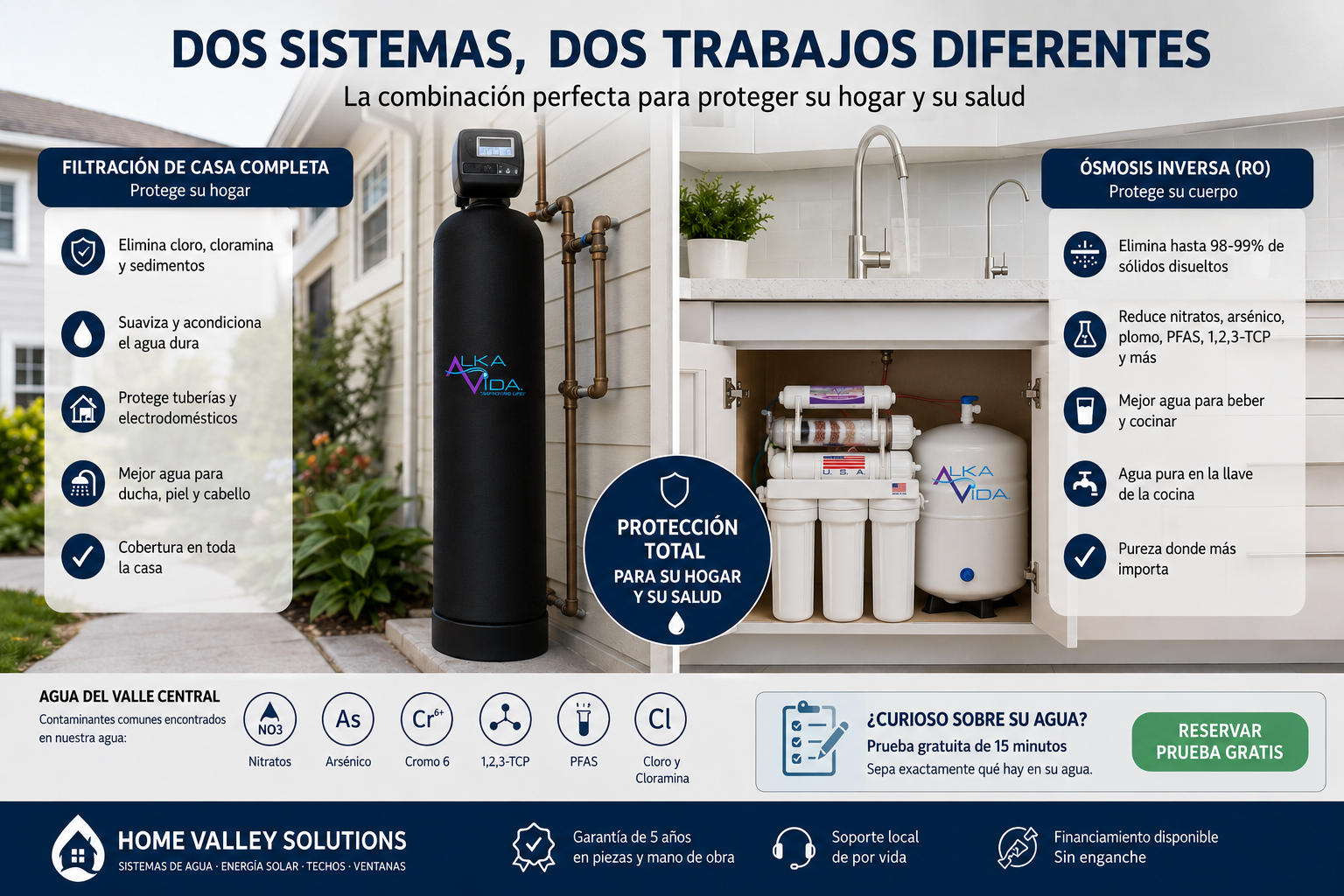
When considering water treatment, two common and effective options are whole-house filtration and reverse osmosis (RO) systems, each serving distinct purposes. A whole-house system is installed at the main water line, treating all water that enters your Fresno home. This provides benefits like chlorine reduction for showering and bathing, protection against sediment and scale buildup in appliances, and general improvement in water quality throughout the entire house. It’s an excellent general protective measure, addressing aesthetics and basic contaminant reduction for all points of use.
Conversely, a reverse osmosis system is typically installed under a sink, treating only the water for a specific faucet for drinking and cooking. RO effectively removes a much wider range of dissolved solids and microscopic contaminants, including nitrates, fluoride, heavy metals, and many pharmaceutical residues that whole-house filters might miss. For the purest drinking water in your Fresno kitchen, RO is unparalleled. Many homeowners choose to combine these systems: a whole-house filter for comprehensive protection and an RO system for ultra-purified drinking and cooking water, creating a multi-layered defense against Fresno's water challenges.
Local Water Concerns in Fresno and Beyond
The specific water challenges in Fresno often extend to nearby Central Valley communities. Residents in areas like Clovis, Sanger, Kerman, and Madera face similar issues related to groundwater quality, agricultural influences, and the need for robust filtration. Hard water, evidenced by limescale buildup on faucets and dull laundry, is a pervasive complaint across ZIP codes such as 93704, 93722, and 93612. Beyond hardness, reports of earthy tastes or chlorine odors are common, hinting at organic matter and disinfection byproducts.
While municipal reports provide a general overview, water quality can vary even street by street due to pipe age and localized issues. This variability underscores why a personalized approach to water testing is invaluable for homeowners throughout the greater Fresno area. Understanding the unique profile for your specific address, rather than relying solely on broad regional data, empowers you to choose the most effective and efficient water purification solutions tailored to your individual property and family's needs within the Central Valley context.
Your Custom Water Analysis: A Free Home Valley Solutions Offering
Understanding the specifics of your Fresno tap water is the first, most crucial step towards achieving optimal water quality in your home. Generic reports offer a starting point, but they can't tell you what's truly flowing from your unique pipes. That's why Home Valley Solutions offers a completely free, no-obligation in-home water testing service for residents across Fresno and the wider Central Valley. Our expert technicians will visit your home at your convenience, conduct a thorough analysis of your tap water, and identify any specific contaminants, hardness levels, or other concerns relevant to your household.
This personalized assessment goes beyond simply listing issues; we'll explain our findings in an easy-to-understand way and discuss the most effective, tailored solutions for your home. Whether it's a whole-house system, an alkaline water system, or a water softener, we'll recommend options specifically designed to address YOUR water's profile. There's no pressure, just clear information to help you make the best decision for your family's health and comfort. Schedule your free water test today and take control of your Fresno home's water quality.
Ready to Improve Your Water Quality?
Get a free water test and discover how we can help you.