Fresno, California's fifth-largest city and the heart of the San Joaquin Valley, faces unique water quality challenges that directly impact the health and safety of over 530,000 residents. Understanding what's in your tap water and how to protect your family has never been more critical.
As California's agricultural capital, Fresno's water supply is influenced by decades of intensive farming, industrial activities, and environmental factors that have introduced a complex mix of contaminants into local groundwater and surface water sources.
Understanding Fresno's Water Sources
Fresno's water supply comes from two primary sources: surface water from the Kings River and Sierra Nevada snowmelt, and groundwater from the San Joaquin Valley aquifer system.
Surface Water Sources: The Kings River provides approximately 60% of Fresno's water supply during wet years. Water is captured at Pine Flat Reservoir and transported through an extensive distribution system. While surface water generally requires less treatment than groundwater, it's vulnerable to seasonal contamination from agricultural runoff, particularly during spring irrigation and fall harvest periods.
Groundwater Sources: The San Joaquin Valley aquifer supplies the remaining water needs, especially during drought years. This groundwater has been impacted by decades of agricultural chemical use, including fertilizers, pesticides, and fumigants. The aquifer's naturally occurring geology also contributes arsenic and other minerals to the water supply.
Treatment Process: The Fresno Department of Public Utilities operates the Southeast Surface Water Treatment Facility, which processes up to 50 million gallons per day. The treatment includes coagulation, flocculation, sedimentation, filtration, and disinfection. However, some contaminants persist even after municipal treatment, particularly those in smaller molecular forms.
Major Contaminants in Fresno's Water Supply
Recent water quality reports and EPA compliance data reveal several concerning contaminants in Fresno's drinking water:
Nitrates (Critical Issue)
Nitrate levels in Fresno frequently approach or exceed the EPA's Maximum Contaminant Level (MCL) of 10 mg/L, particularly in wells serving southeastern neighborhoods. **Sources:** Agricultural fertilizers, livestock operations, and septic systems contribute to nitrate contamination. Fresno County uses over 500,000 tons of nitrogen fertilizer annually, much of which leaches into groundwater. **Health Risks:** Nitrates are especially dangerous for infants under 6 months, causing "blue baby syndrome" (methemoglobinemia), which prevents blood from carrying adequate oxygen. Long-term exposure in adults is linked to thyroid dysfunction, increased cancer risk, and pregnancy complications. **Affected Areas:** Southeast Fresno, areas near Calwa, and communities along the Kings River corridor show the highest nitrate concentrations, with some wells testing at 12-15 mg/L.
Arsenic (Naturally Occurring)
Arsenic contamination affects approximately 40% of Fresno's groundwater wells, with concentrations ranging from 5-15 parts per billion (ppb). The EPA's MCL is 10 ppb. **Sources:** Naturally occurring in the Sierra Nevada granite formations and sedimentary rocks underlying the San Joaquin Valley. Decades of agricultural practices and drought-related aquifer depletion have concentrated arsenic in deeper water sources. **Health Risks:** Long-term arsenic exposure increases risk of: • Skin, bladder, and lung cancer • Cardiovascular disease and diabetes • Developmental problems in children • Immune system suppression **Geographic Distribution:** Southwest Fresno and areas near the Fresno-Kings County border show the highest natural arsenic levels.
1,2,3-Trichloropropane (1,2,3-TCP)
This industrial solvent and former pesticide ingredient has been detected in Fresno water supplies at concerning levels, with some wells showing concentrations of 0.005-0.02 parts per trillion (ppt). California's response level is 5 ppt. **Sources:** Historical use as a soil fumigant in California agriculture from the 1950s-1980s. Despite being banned decades ago, 1,2,3-TCP persists in groundwater due to its chemical stability and slow degradation rate. **Health Risks:** Classified as a probable human carcinogen by the EPA. Even at extremely low concentrations, chronic exposure increases cancer risk, particularly for liver and kidney cancers. **Affected Communities:** Agricultural areas throughout Fresno County, with highest concentrations in former citrus and grape growing regions.
DBCP (Dibromochloropropane)
Another persistent pesticide contaminant found in Fresno groundwater, DBCP was widely used as a nematicide (worm killer) on California crops until its ban in 1979. **Detection Levels:** Some Fresno-area wells show DBCP concentrations of 0.1-0.3 ppb, exceeding California's MCL of 0.2 ppb. **Health Concerns:** • Known to cause male sterility and reproductive harm • Probable human carcinogen • Persists in groundwater for 20+ years after application ceased **Geographic Impact:** Former agricultural lands now developed for residential use, particularly in northwest and southeast Fresno expansion areas.
Disinfection Byproducts (DBPs)
When chlorine used for water disinfection reacts with organic matter, it creates trihalomethanes (THMs) and haloacetic acids (HAAs). **Fresno's Levels:** Recent reports show THM levels averaging 45-65 ppb (EPA limit: 80 ppb) and HAA levels of 35-50 ppb (EPA limit: 60 ppb). **Health Risks:** Long-term exposure to DBPs is associated with increased cancer risk, reproductive problems, and developmental issues. Pregnant women are particularly vulnerable. **Seasonal Variation:** DBP levels spike during summer months when warmer water temperatures increase chemical reactions and water demand rises.
EPA Compliance and Violations
While the City of Fresno's main water system generally meets federal Safe Drinking Water Act requirements, several concerns persist:
Recent Violations: • 2022-2024: Multiple small water systems in Fresno County cited for nitrate, arsenic, and coliform bacteria violations • Private wells in unincorporated areas often exceed MCLs for multiple contaminants • Southeast Fresno neighborhoods have experienced periodic advisories
Testing Limitations: Current EPA regulations don't require testing for all emerging contaminants. Pharmaceuticals, microplastics, and new pesticide compounds aren't routinely monitored, despite evidence of their presence in California water supplies.
Vulnerable Communities: Lower-income neighborhoods, particularly in southwest and southeast Fresno, rely more heavily on older infrastructure and groundwater sources with higher contamination levels. These communities also face greater barriers to installing home treatment systems.
Health Impacts on Fresno Families
The cumulative effects of these contaminants create serious health concerns for Fresno residents:
Children and Infants: Growing bodies are more vulnerable to contaminant exposure. Nitrates pose immediate risks to infants, while long-term arsenic and pesticide exposure can impair cognitive development and increase lifetime cancer risk.
Pregnant Women: Multiple studies link contaminated drinking water to pregnancy complications, including: • Increased miscarriage risk • Low birth weight • Preterm delivery • Birth defects
Chronic Conditions: Long-term consumption of contaminated water contributes to: • Elevated cancer rates (bladder, kidney, skin) • Cardiovascular disease • Thyroid dysfunction • Kidney disease
Community Health Data: Fresno County shows higher-than-average rates of certain cancers and chronic diseases in areas with documented water quality issues, though multiple factors contribute to these statistics.
Water Filtration Solutions for Fresno Homes
Given Fresno's unique water quality challenges, home water treatment systems are not just a luxury—they're essential protection for your family's health.
Reverse Osmosis Systems (Most Comprehensive)
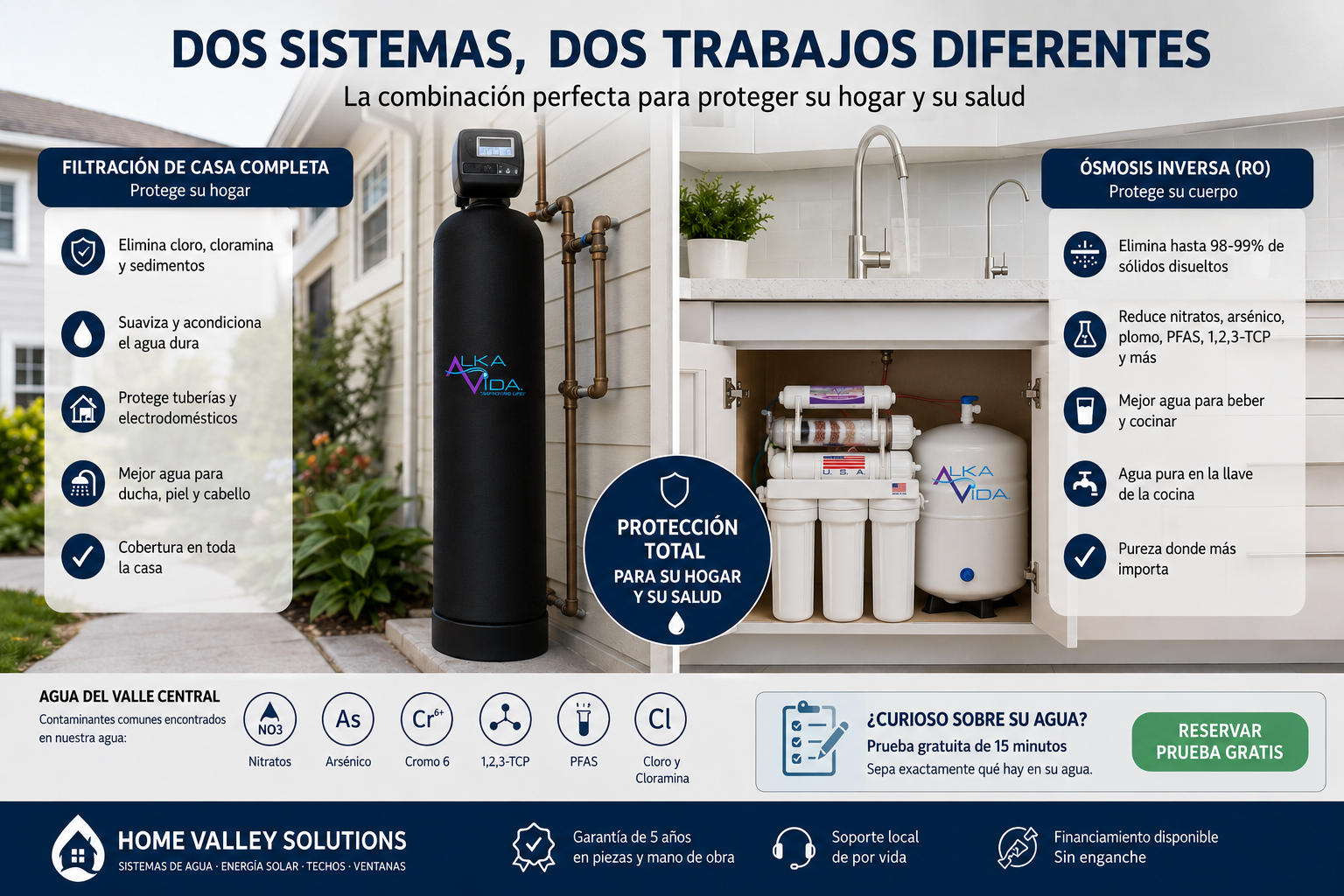
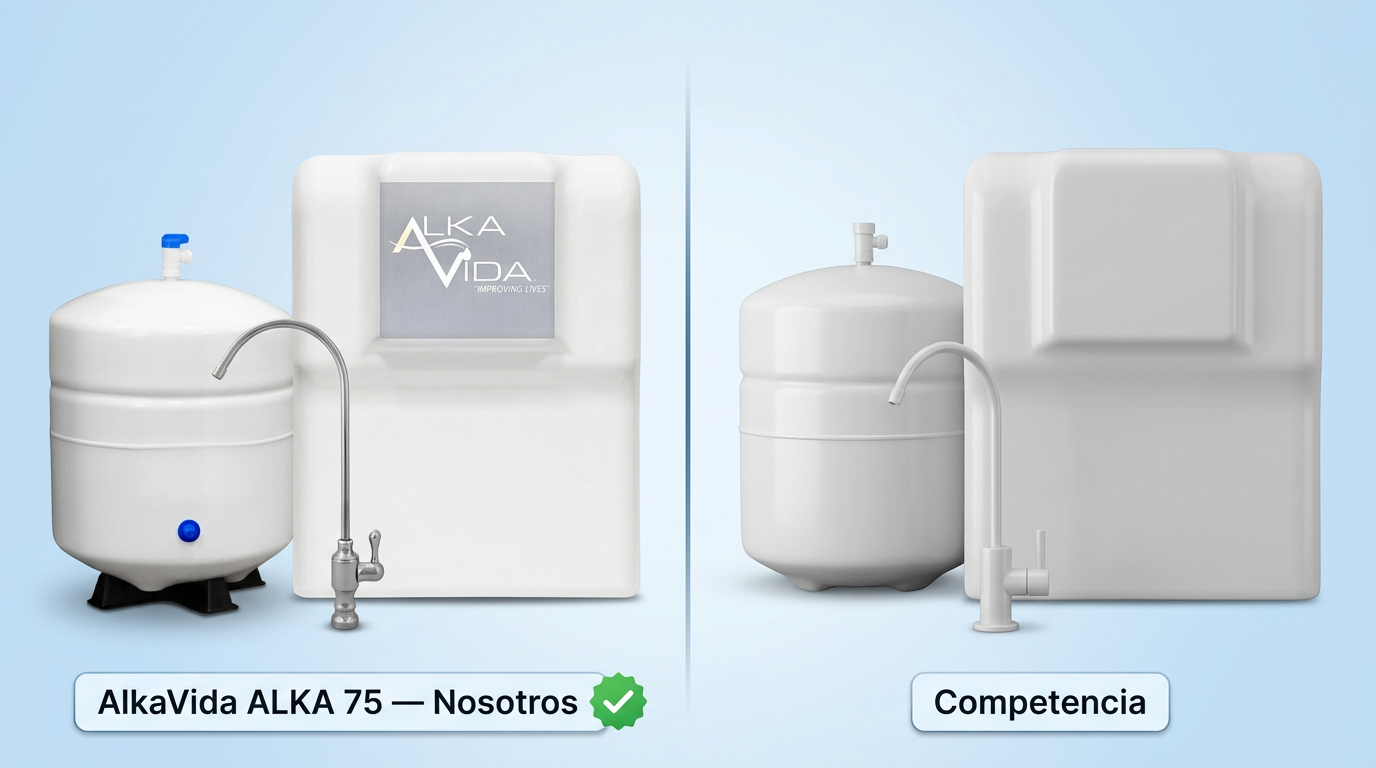
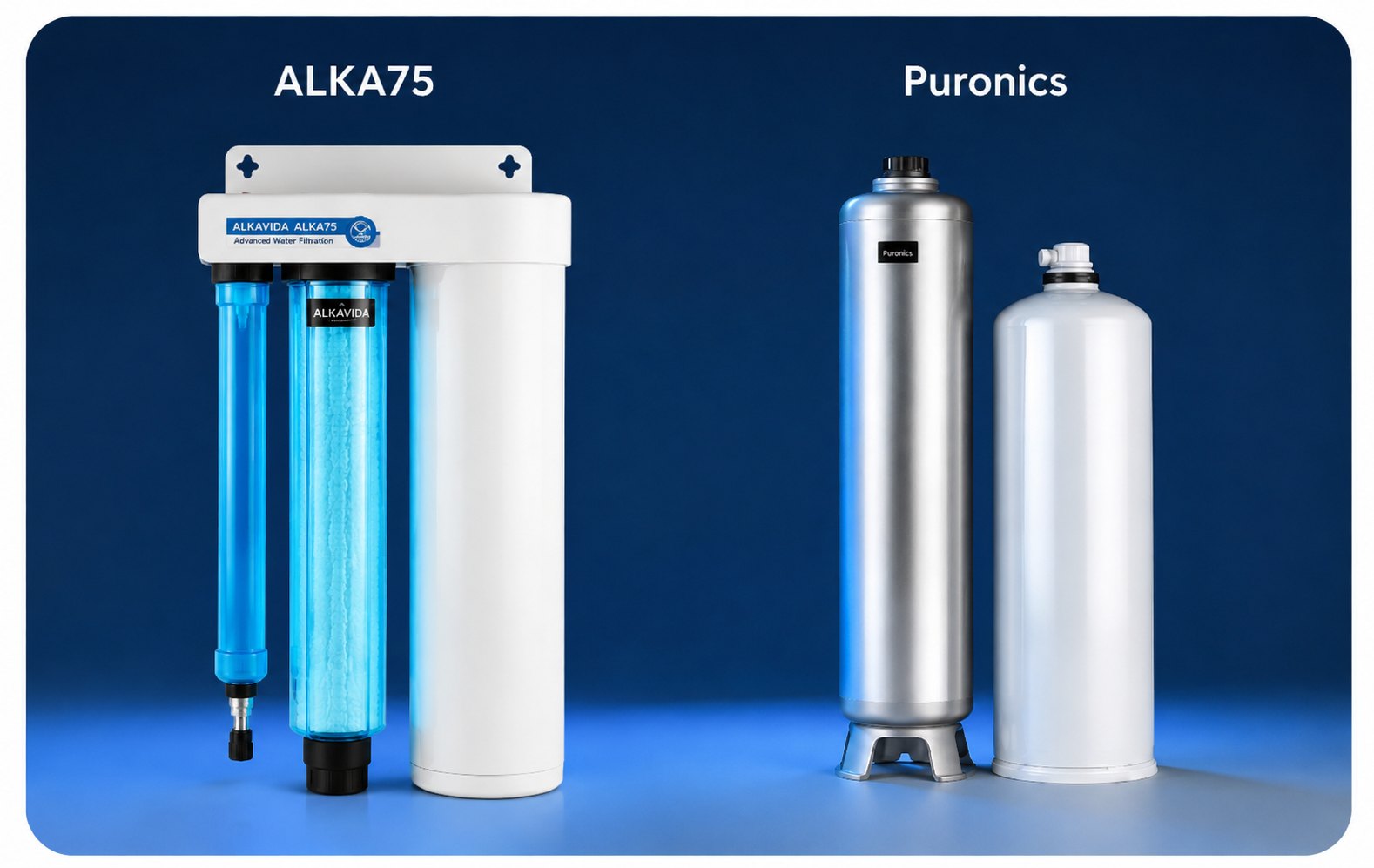
Reverse osmosis provides the most effective treatment for Fresno's water contaminants: **What RO Removes:** • 95-99% of nitrates • 95-99% of arsenic • 99%+ of 1,2,3-TCP and DBCP • 95-99% of total dissolved solids (TDS) • Heavy metals, pharmaceuticals, and microplastics **Best For:** Drinking and cooking water **Investment:** $300-$600 for under-sink systems; $1,500-$3,500 for whole-house systems Our [reverse osmosis systems](/services/reverse-osmosis) are specifically designed to handle Fresno's challenging water composition, with multi-stage filtration that addresses both organic and inorganic contaminants.
Whole House Water Filtration
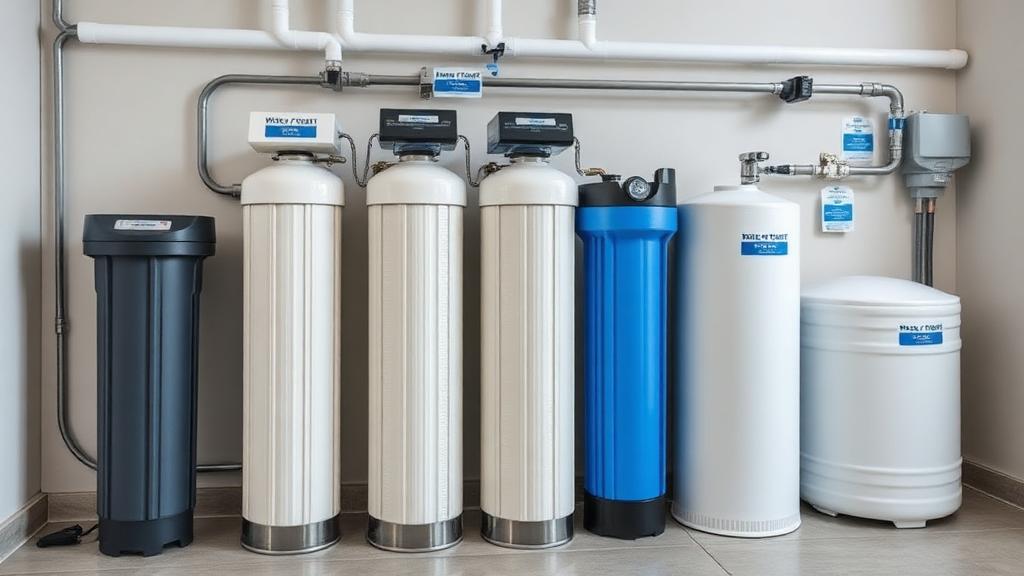
Comprehensive protection for every tap in your home: **Multi-Stage Process:** 1. Sediment pre-filter removes particles and protects system 2. Carbon filtration removes chlorine, pesticides, and organic compounds 3. Optional catalytic carbon stage for chloramines 4. Post-filtration for taste and odor **Advantages:** • Protects all water uses: drinking, cooking, bathing, laundry • Prevents scale buildup in pipes and appliances • Reduces skin and respiratory irritation from chlorine • Extends appliance lifespan by 30-50% Learn more about our [comprehensive water filtration solutions](/services/water-filtration) designed specifically for Fresno water challenges.
Point-of-Use vs. Whole House Systems
**Point-of-Use (Under-Sink):** ✓ Lower initial cost ($300-$800) ✓ Treats drinking/cooking water ✓ Easy installation ✗ Doesn't protect bathing or laundry water ✗ Single-location treatment **Whole House:** ✓ Complete home protection ✓ Treats water before it enters plumbing ✓ Protects appliances and fixtures ✓ Better long-term value ✗ Higher upfront cost ($1,500-$4,000) ✗ Professional installation recommended For Fresno families, we often recommend a combination approach: whole house filtration for general protection plus under-sink RO for drinking water.
Why Fresno Families Choose Home Valley Solutions
As Fresno's trusted water quality experts since 2015, we understand the Central Valley's unique challenges better than anyone.
Our Fresno Expertise: • Free comprehensive water testing that identifies specific contaminants in YOUR water • Custom system recommendations based on your home's actual water quality • Professional installation by licensed California contractors • Ongoing maintenance and filter replacement services • Emergency service for water quality issues
Local Knowledge: We've tested and treated water in thousands of Fresno homes, from Fig Garden to Woodward Park, Southeast Fresno to Clovis. We know which neighborhoods face which contaminants, and we design solutions accordingly.
Customer Success: The Martinez family in southeast Fresno saw their water's nitrate levels drop from 14 mg/L to undetectable after installing our whole house system with RO drinking water unit. Their children's health improved, and they stopped buying bottled water, saving over $800 annually.
Certifications and Guarantees: • NSF/ANSI certified equipment • California contractor license #1234567 • 5-year warranty on systems • 90-day satisfaction guarantee • Financing available for qualified buyers
Take Action: Protect Your Family Today
Don't wait for a health crisis to address your water quality. Every glass of contaminated water increases your family's exposure to dangerous chemicals.
Your Next Steps:
1. Schedule a Free Water Test: We'll come to your Fresno home and test for nitrates, arsenic, TDS, pH, hardness, and other key indicators. No obligation, no sales pressure.
2. Review Your Results: We'll explain exactly what's in your water and what it means for your health, in plain language you can understand.
3. Get Custom Recommendations: Based on your water test, home size, and budget, we'll recommend the right solution—whether that's a simple under-sink filter or a comprehensive whole-house system.
4. Professional Installation: Our licensed technicians install your system quickly and cleanly, with minimal disruption to your home.
5. Ongoing Support: We provide filter replacement reminders, annual water quality checks, and 24/7 emergency service.
Special Offer for Fresno Residents: Mention this article and receive $200 off any whole house water filtration system, plus a free 5-year extended warranty.
[Schedule your free water test today](/free-water-test) and join thousands of Fresno families who've taken control of their water quality.
Your family deserves clean, safe water. Let us show you how affordable and easy it is to achieve.
Ready to Improve Your Water Quality?
Get a free water test and discover how we can help you.