
If you live in Modesto and you've noticed white crusty deposits around your faucets, dry skin after showering, or a faint chemical smell from the tap, you are not imagining things. Modesto's water supply has real, measurable challenges — and this guide exists to help you understand exactly what's in your water, what solutions actually work, and how to choose the right company without getting oversold.
We'll cover the science, the local data, honest comparisons between water treatment companies serving the area, and what Modesto homeowners are actually dealing with day to day in 2026.
What's Actually in Modesto's Water?
Modesto is served primarily by the Modesto Irrigation District (MID) and the City of Modesto water supply, which draws from a combination of surface water from the Tuolumne River and local groundwater wells. Because the Central Valley's geology is naturally mineral-rich, and because agriculture has been a dominant force in Stanislaus County for over a century, Modesto's water carries a specific set of challenges that differ from what you'd find in coastal California cities.
Hard Water: 15–25 Grains Per Gallon
The single most widespread water quality complaint among Modesto homeowners is hardness. Modesto water typically tests between 15 and 25 grains per gallon (gpg) of hardness, which is classified as "very hard." For context, water above 10.5 gpg is considered very hard by most water quality standards. The U.S. average is around 10 gpg.
What does that mean for your home? Hard water is high in dissolved calcium and magnesium. These minerals are not directly harmful to your health, but they cause significant problems throughout your house:
- Scale buildup inside water heaters, reducing efficiency and lifespan dramatically
- Spotted dishes that never look clean, even after washing
- Clogged showerheads and reduced flow over time
- Soap scum on shower walls and glass doors
- Skin and hair that feel dry and rough after bathing
- Reduced lathering from soap and shampoo, causing people to use more product than necessary
- Appliance damage to dishwashers, washing machines, and ice makers
Over time, a home with untreated hard water at 20+ gpg will see measurable damage to plumbing infrastructure. Water heaters in particular can lose 20–30% of their efficiency with heavy scale buildup, and most tank water heaters in hard water areas fail years before their rated lifespan.
Agricultural Runoff and Nitrates
Stanislaus County is one of the most productive agricultural counties in California. That productivity comes with a cost: nitrogen-based fertilizers applied to farms for decades have leached nitrates into the groundwater supply across the Central Valley. Modesto's water, particularly from groundwater wells, can show elevated nitrate levels.
The EPA's Maximum Contaminant Level (MCL) for nitrates is 10 milligrams per liter (mg/L) measured as nitrogen. Levels in some Modesto-area groundwater sources have been measured near or at this threshold, and private well users in the surrounding areas of Stanislaus County often test higher.
Nitrates are especially dangerous for infants under six months old. High nitrate exposure can cause methemoglobinemia, sometimes called "blue baby syndrome," which interferes with the blood's ability to carry oxygen. For adults, the risks at moderate levels are less acute but still a concern with long-term exposure.
Chloramine Treatment
The City of Modesto transitioned to chloramine disinfection (a combination of chlorine and ammonia) as its primary water treatment method. Chloramines are used instead of chlorine alone because they are more stable in the distribution system and produce fewer trihalomethanes (THMs), which are chlorine byproducts regulated by the EPA.
However, chloramines create their own issues:
- They are significantly harder to remove from water than chlorine. Standard carbon filters that work for chlorine are less effective against chloramines.
- They can cause rubber seals and O-rings in plumbing to degrade faster
- Some people are more sensitive to chloramines, experiencing skin irritation or a stronger chemical taste in water
- Chloramines react differently in the body and with other water contaminants than chlorine does
This is important when evaluating filtration systems: not every filter that claims to remove "chlorine" will effectively remove chloramines. You need to specifically confirm that any system you're considering is rated for chloramine reduction.
TDS (Total Dissolved Solids): 200–400 ppm
Total Dissolved Solids is a measurement of all minerals, salts, metals, and other dissolved substances in water. Modesto tap water typically falls in the 200–400 ppm range, with the average closer to 250–300 ppm depending on the season and the source blend.
The EPA's secondary standard for TDS is 500 ppm, so Modesto water is within acceptable limits. However, TDS levels in the 200–400 range are high enough to affect taste significantly, and high TDS water can make coffee, tea, and other beverages taste flat or mineral-heavy. Many Modesto homeowners who drink bottled water cite the taste of tap water as the reason — and a quality filtration system can eliminate that expense entirely.
---
Health Impacts Worth Understanding
Most of Modesto's water quality issues are nuisances rather than acute health risks for healthy adults. But that doesn't mean they're trivial. Let's be specific about where the real concerns lie.
Nitrates are the most significant health concern, particularly for households with infants, pregnant women, or people with certain health conditions. If you have a private well or your home is in an area where groundwater is the primary supply, testing for nitrates is not optional — it's essential.
Chloramines can affect sensitive individuals and have been associated with skin and respiratory irritation in people who already have conditions like eczema or asthma, particularly during long showers or baths when exposure is significant.
Disinfection byproducts (DBPs), which form when chloramines and chlorine react with organic matter in the water, include compounds like haloacetic acids (HAAs) and trihalomethanes (THMs). These have been classified as possible human carcinogens at elevated levels. Modesto's water utility regularly tests and publishes this data in its annual water quality report — levels are typically within legal limits, but some researchers argue the legal limits are too permissive.
Lead and copper are not typically found in Modesto's source water but can leach into tap water from older home plumbing, particularly in homes built before 1986. If your home is older and you have not tested for lead, it is worth doing.
---
Your Filtration Options: What Actually Works in Modesto
Given what we know about Modesto's water, here are the filtration approaches that make sense — and what each one does and doesn't address.
Whole-House Water Softeners
A water softener is the foundational solution for Modesto's hard water problem. Salt-based ion exchange softeners replace calcium and magnesium ions with sodium ions, effectively eliminating hardness at the source — before water reaches any fixture in your home.
What it solves: Hard water scale, soap scum, appliance damage, skin and hair issues What it doesn't solve: Nitrates, chloramines, taste improvement at the drinking water level
For Modesto's 15–25 gpg hardness levels, a properly sized water softener will need a resin tank large enough to handle the water demand of your household. Undersizing is a common mistake made by budget installers — if the softener can't regenerate fast enough, you'll be drinking and bathing in hard water during the gaps.
A quality whole-house softener for a typical Modesto home (3–4 bedrooms, 2–3 bathrooms) will run between $1,200 and $3,500 installed, depending on the brand, system capacity, and whether it includes additional filtration stages.
Reverse Osmosis (RO) Systems for Drinking Water
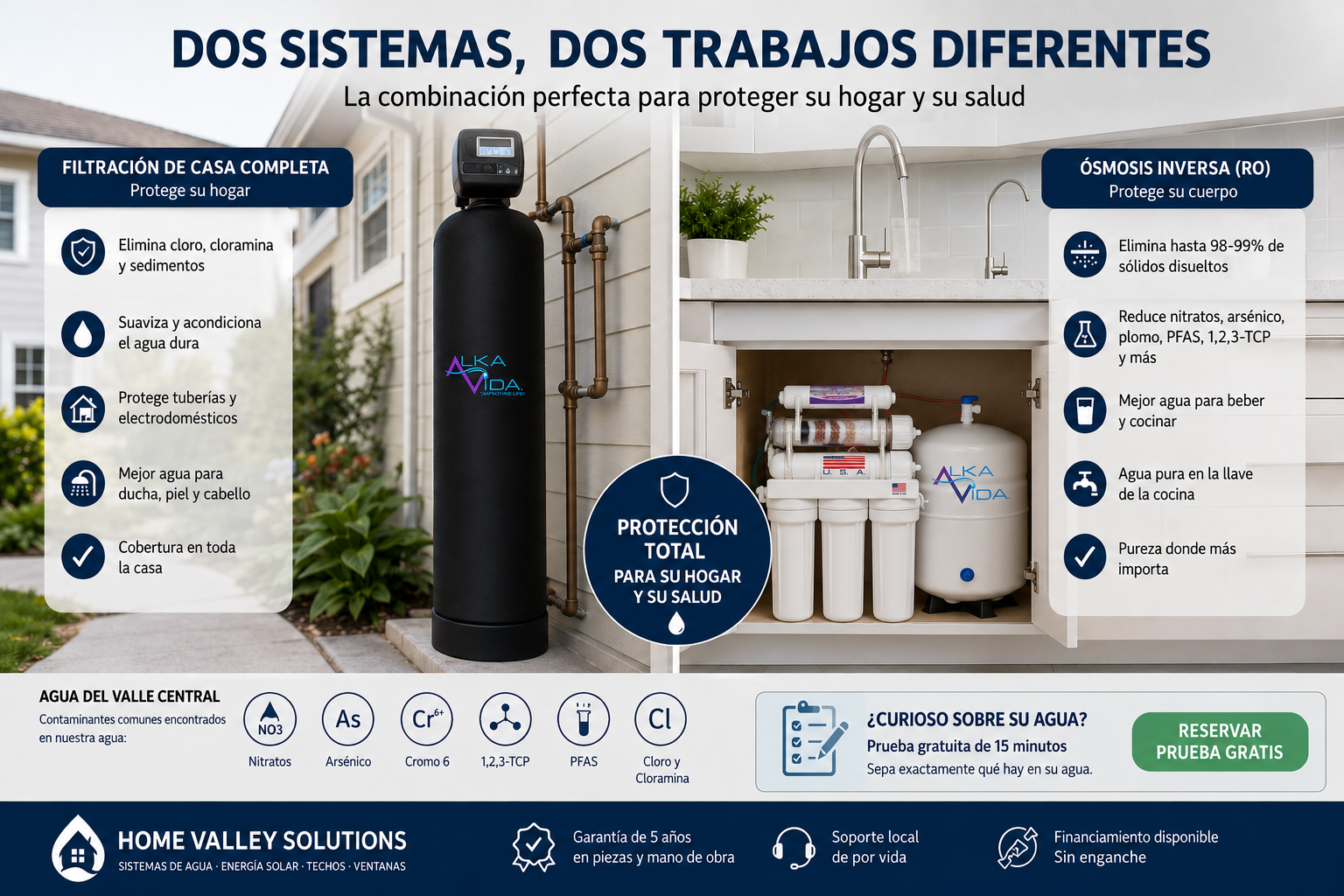
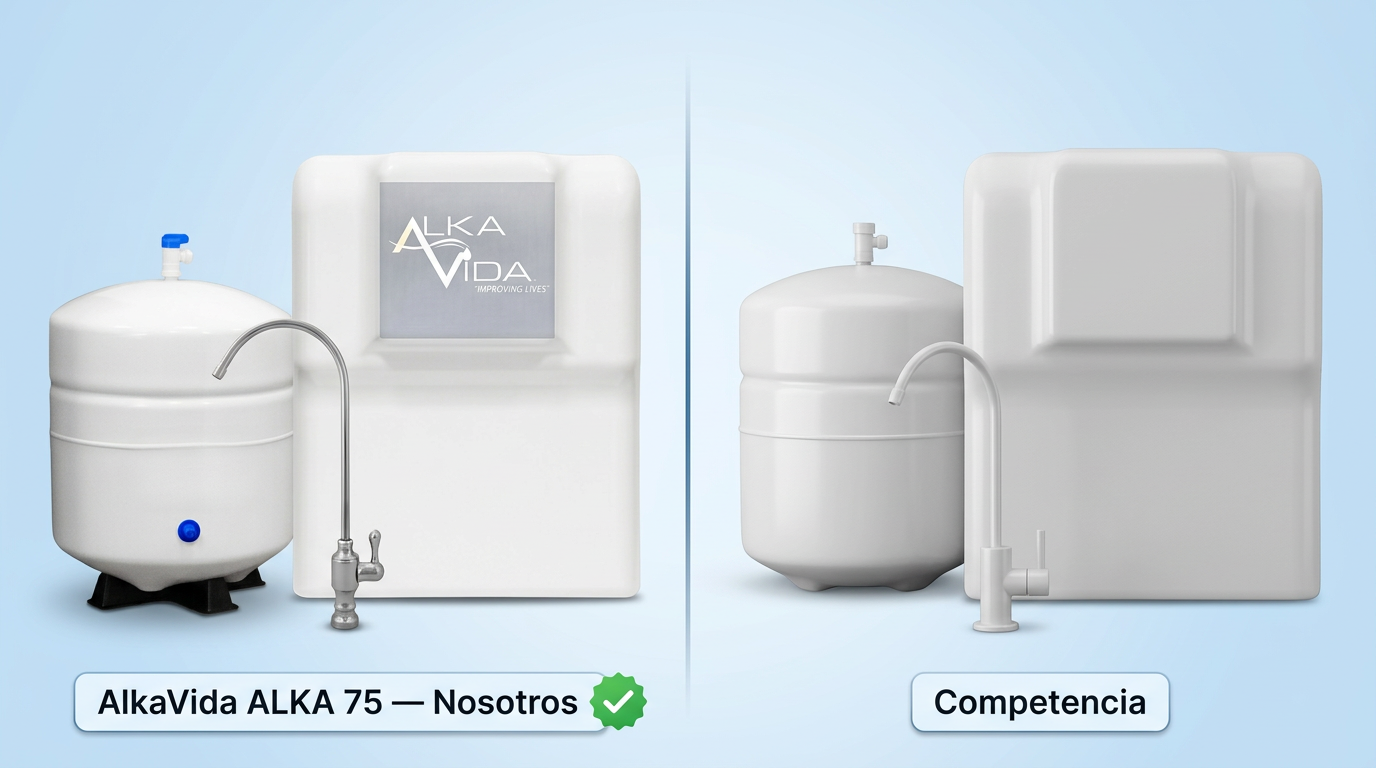
For the kitchen sink — drinking water, cooking, ice — a reverse osmosis system is the most effective point-of-use solution available. RO membranes filter out nitrates, chloramines, TDS, heavy metals, and the vast majority of other contaminants. A quality 5- or 6-stage RO system under your kitchen sink will produce water that is genuinely clean and great-tasting.
What it solves: Nitrates, chloramines, TDS, heavy metals, most contaminants What it doesn't solve: Whole-house hardness (it's a point-of-use system, not whole-house)
RO systems waste some water in the filtration process — typically 2–4 gallons of drain water for every gallon of filtered water produced, though newer systems are more efficient. They also require filter replacement every 6–12 months and membrane replacement every 2–3 years.
A quality undersink RO system runs $300–$900 for the unit, plus installation. Combined with a whole-house softener, this is the most common complete solution for Modesto homeowners.
[Learn more about RO systems for Modesto homes](/services/reverse-osmosis?utm_source=blog&utm_medium=seo&utm_campaign=comparison_blogs&utm_content=complete-guide-modesto)
Whole-House Carbon Filtration
A whole-house carbon filter (typically catalytic activated carbon) can reduce chloramines, chlorine, volatile organic compounds (VOCs), and improve taste and odor throughout your home. This is especially important in Modesto given the chloramine treatment used by the city.
Standard activated carbon is rated for chlorine but handles chloramines poorly. Catalytic activated carbon is specifically engineered to break down chloramines and is the correct specification to ask for when addressing Modesto's water.
Whole-house carbon filtration is often combined with a water softener in a dual-tank system, addressing both hardness and chemical treatment simultaneously.
Alkaline Water Systems
Alkaline water systems go beyond filtration to actively adjust the pH of your drinking water, producing water that is typically in the 8.0–9.5 pH range compared to tap water's 6.5–7.5 range. Proponents cite potential benefits including better hydration, antioxidant properties, and improved taste.
Home Valley Solutions offers the AlkaVida alkaline water system, which combines filtration with alkalinization for drinking water applications.
[Explore alkaline water options for your Modesto home](/services/alkaline-water?utm_source=blog&utm_medium=seo&utm_campaign=comparison_blogs&utm_content=complete-guide-modesto)
---
How Modesto Water Treatment Companies Compare
There are several companies serving Modesto homeowners, ranging from national franchises to local independents. Here is an honest look at what each brings to the table.
Culligan
Culligan is the most recognized name in water treatment nationally. They have dealer locations serving the Modesto area and offer the full range of solutions: softeners, RO systems, whole-house filtration, and salt delivery services.
Strengths: Brand recognition, wide product range, financing available, established service infrastructure Weaknesses: Franchise model means pricing and service quality can vary significantly by dealer. Many customers report high-pressure sales tactics. Equipment costs tend to run 30–50% higher than local competitors for equivalent systems. Rental contracts with Culligan can lock homeowners into long-term agreements that are difficult to exit. Customer service escalation often requires going through layers of corporate structure.
RainSoft
RainSoft is another national brand with a dealer-based model. Their systems are generally considered high quality, and they have a long history in the water treatment industry.
Strengths: Quality systems, comprehensive warranties Weaknesses: Known for aggressive in-home sales presentations that can last 2–3 hours. Pricing is significantly above market for equivalent performance. Some dealers have been cited in consumer complaints for misleading closing tactics. Sales representatives are typically commissioned, which creates pressure on both sides of the transaction.
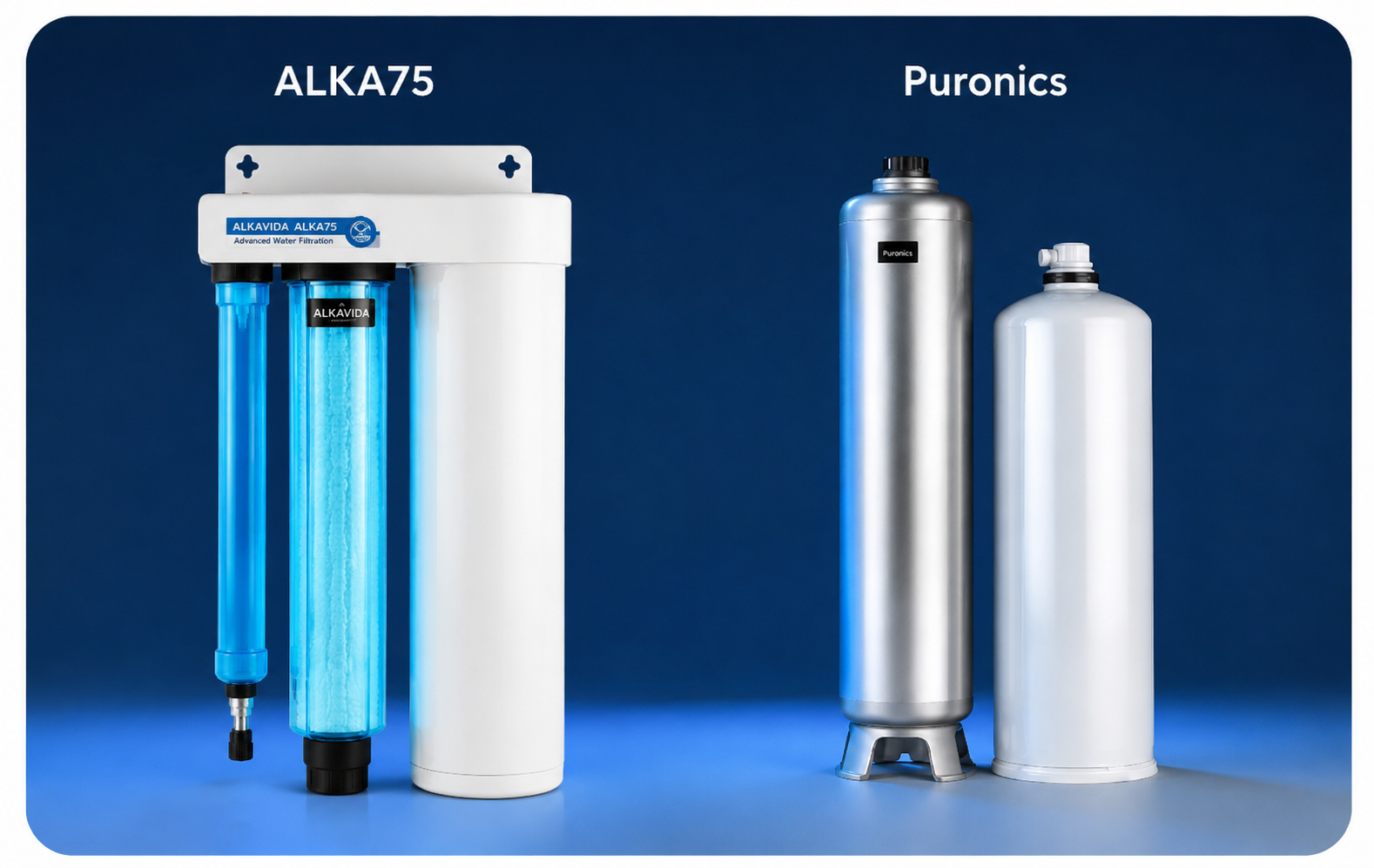
Puronics
Puronics is headquartered in California and markets heavily to Central Valley homeowners. They emphasize NASA-developed technology in their marketing (a reference to the silver-impregnated resin used in some systems).
Strengths: California-focused company, hard water expertise, quality manufacturing Weaknesses: Like RainSoft, their pricing structure is premium, and in-home demonstrations tend toward high-pressure. Some customers report that the "lifetime warranty" terms have significant conditions attached. Financing through third-party lenders can result in costs well above the sticker price.
Kinetico
Kinetico makes non-electric, twin-tank water softeners that operate on water pressure rather than electricity. Their systems are genuinely well-engineered and their softeners are among the most efficient in the industry in terms of salt and water use.
Strengths: Non-electric operation, twin-tank design ensures soft water 24/7 (even during regeneration), efficient salt use, strong build quality Weaknesses: Higher upfront cost. Proprietary parts and service structure means you're typically dependent on Kinetico dealers for maintenance. Not all dealers serve the full Modesto area equally.
EcoWater
EcoWater systems are sold through a dealer network and are known for their smart technology integration — some systems connect to Wi-Fi for monitoring. They are a subsidiary of Berkshire Hathaway and have strong manufacturing standards.
Strengths: Smart home integration, solid manufacturing, broad product range Weaknesses: Dealer-dependent service, pricing varies, and the smart features may be overkill for homeowners who just want clean water without managing an app.
Generation H2O
Generation H2O operates in the Central Valley and targets the mid-market with a range of filtration and softening products. They are smaller and more regional than the national brands.
Strengths: Regional focus, competitive pricing compared to national brands Weaknesses: Smaller service network, less established track record compared to larger players
559 Water Filters
A local Central Valley operator catering primarily to the Fresno market but serving some Stanislaus County customers. Budget-friendly entry point.
Strengths: Low prices Weaknesses: Limited support infrastructure, fewer product options, less specialized expertise in Modesto's specific water chemistry
A-1 Water Quality
A-1 Water Quality serves the greater Central Valley and has been in the market for a number of years. They focus primarily on softeners and basic filtration.
Strengths: Established local presence, reasonable pricing Weaknesses: Less comprehensive product range than larger operators
Clean Valley Water
Another regional player with Central Valley focus. Similar market position to A-1, serving homeowners who want local service at lower price points than the national franchises.
Home Valley Solutions
Home Valley Solutions is a locally owned, family-operated water treatment company serving Modesto and the surrounding Central Valley. They are bilingual (English and Spanish), which matters significantly in Stanislaus County where a substantial portion of the population is Spanish-speaking.
What sets HVS apart:
- Free water testing: HVS comes to your home and tests your actual water before recommending anything. You get real data about your specific water, not a sales pitch based on assumptions.
- No pressure: HVS does not work on commissioned sales structures that incentivize overselling. You get a recommendation based on what your water actually needs.
- AlkaVida alkaline water system: HVS is one of the few local companies offering quality alkaline water solutions beyond basic filtration.
- Bilingual service: English and Spanish service, so you can communicate in the language you're most comfortable in throughout the entire process.
- Local accountability: When you call HVS, you reach people who live and work in the Central Valley, not a national call center.
[Schedule your free water test in Modesto](/free-water-test?utm_source=blog&utm_medium=seo&utm_campaign=comparison_blogs&utm_content=complete-guide-modesto)
---
What to Ask Any Water Treatment Company Before You Buy
Regardless of which company you ultimately choose, these questions protect you from making an expensive mistake:
1. Will you test my water first? Any legitimate company should test your actual water before recommending a system. If they're quoting you a solution before they've seen your water data, that's a red flag.
2. What specific contaminants does this system address? Get specifics. "It removes everything" is not an answer. Ask for the system's NSF certification numbers and what each certification covers.
3. What is the all-in cost? Some companies quote the equipment and then add installation, extended warranties, and salt delivery contracts separately. Know the total cost of ownership over 5 years, not just the purchase price.
4. Is this a purchase or a rental? Rental contracts can seem attractive monthly but often cost significantly more over time and may include clauses that make it difficult to remove the equipment when you sell your home or move.
5. What are my maintenance responsibilities? Softener systems require salt, which needs to be replenished. RO systems need filter and membrane replacements. Get the full maintenance schedule and cost estimate in writing.
6. Who services the equipment if something goes wrong? Local companies typically offer faster response times than national franchises that may schedule service calls days or weeks out.
---
Modesto-Specific Water Filtration Recommendations
Based on Modesto's specific water profile, here is what most homeowners actually need:
For renters or homeowners on a tight budget: A quality countertop or undersink RO filter for drinking water ($200–$500) addresses the most acute concerns — nitrates and chloramines in your drinking water. This is not a complete solution but it is a meaningful one.
For homeowners who want to protect their home: A whole-house water softener is the single highest-impact investment you can make for your plumbing, appliances, and water heater. At 15–25 gpg, Modesto's hardness is damaging infrastructure over time. Size it correctly for your home.
For homeowners who want complete protection: A combination system — whole-house softener plus whole-house catalytic carbon filter plus undersink RO for drinking water — addresses every significant issue in Modesto's water supply. This is the gold standard solution.
For households with infants or high nitrate concerns: Undersink RO for the kitchen is non-negotiable. Test your water specifically for nitrates if you are on a private well.
[See all water filtration services available in Modesto](/services/water-filtration?utm_source=blog&utm_medium=seo&utm_campaign=comparison_blogs&utm_content=complete-guide-modesto)
---
Understanding Modesto's Annual Water Quality Report
The City of Modesto publishes an annual Consumer Confidence Report (CCR) that lists all detected contaminants and how they compare to EPA maximum contaminant levels. This report is public and available on the city's website. Reading it is worth 15 minutes of your time.
Key things to look for in the CCR:
- Detected vs. MCL (Maximum Contaminant Level): Regulators require that all tested contaminants remain below MCL thresholds. However, "below the legal limit" does not mean "zero" or even "negligible."
- MCLG (Maximum Contaminant Level Goal): The MCLG is what regulators consider the truly safe level, which is sometimes zero for carcinogens. The enforceable MCL is often higher than the MCLG for practical reasons.
- Nitrate levels: Pay attention specifically to nitrate data, especially if your home is near agricultural areas.
- DBPs: Check the trihalomethane and haloacetic acid readings, which vary by season.
If you receive your water from a private well rather than the municipal system, you are not covered by the CCR at all. Private well owners are responsible for their own testing, and Stanislaus County has documented agricultural chemical concerns in well water throughout the region. Annual testing is strongly recommended.
---
Frequently Asked Questions: Modesto Water Filtration
Does Modesto have safe drinking water? By regulatory standards, yes — Modesto's municipal water meets all federal and state health standards. However, meeting regulatory minimums and delivering optimal water quality are different things. Modesto's water is safe, but it has characteristics (hardness, chloramines, nitrates) that many homeowners choose to address with filtration.
How much does water filtration cost in Modesto? Entry-level point-of-use filters start around $200. A quality whole-house softener runs $1,200–$3,500 installed. A complete whole-house system (softener + carbon + RO) typically runs $3,000–$6,000 depending on the brands and installer. National franchise brands (Culligan, RainSoft, Puronics) tend to cost significantly more for equivalent specifications.
Can I just use a Brita filter? A pitcher filter like Brita will improve taste and remove some chlorine and certain metals. It will not adequately address chloramines (requires catalytic carbon), nitrates (requires RO), or whole-house hardness. It's better than nothing for drinking water but is not a comprehensive solution for Modesto's water profile.
How long does a water softener last? A quality softener installed correctly typically lasts 15–25 years with regular maintenance. The key factors are correct sizing for your water usage and hardness level, regular salt replenishment, and annual inspections.
Is soft water safe to drink? Softened water contains slightly elevated sodium levels due to the ion exchange process. For most healthy adults, this is insignificant. People on low-sodium diets or with certain health conditions may want an RO system for their drinking water, which removes the sodium along with other dissolved solids. Most softener installations include an unsoftened bypass for drinking water or pair with an RO system.
---
Making Your Decision: Next Steps for Modesto Homeowners
The most important first step is not choosing a company or a system — it is understanding your actual water. Every home in Modesto is slightly different. Well water users have different issues than municipal water users. Homes in different parts of the city can pull from different source blends. A proper water test takes about 20–30 minutes and gives you real data.
Home Valley Solutions offers free in-home water testing for Modesto homeowners, with no obligation and no sales pressure. You'll get actual measurements for hardness, TDS, chloramines, and other relevant parameters — and a straight assessment of what, if anything, you need.
[Schedule your free water test today](/free-water-test?utm_source=blog&utm_medium=seo&utm_campaign=comparison_blogs&utm_content=complete-guide-modesto)
Or call directly: (559) 507-6838
Hablamos español. We serve all of Modesto and Stanislaus County, and we've been helping Central Valley families get clean water without the hard sell.
[Browse our complete guide to Central Valley water quality](/water-guide?utm_source=blog&utm_medium=seo&utm_campaign=comparison_blogs&utm_content=complete-guide-modesto)
[Book an appointment at your convenience](/appointment?utm_source=blog&utm_medium=seo&utm_campaign=comparison_blogs&utm_content=complete-guide-modesto)
---
Home Valley Solutions is a locally owned, bilingual water filtration company serving Modesto, Stanislaus County, and the Central Valley. We offer free water testing, whole-house filtration, reverse osmosis systems, and the AlkaVida alkaline water system. No pressure, no gimmicks. Just clean water.
Ready to Improve Your Water Quality?
Get a free water test and discover how we can help you.