
You can smell it before you even turn on the tap. That sharp, chemical odor that fills the bathroom when you start the shower. The taste in your coffee that you can't quite mask with premium grounds. The skin that feels dry and tight after bathing. The hair that's brittle, faded, or harder to manage than it used to be. The swimming-pool scent that clings to your laundry even after it's washed and dried.
These are not your imagination. They are the effects of chlorine — and increasingly, chloramine — in Central Valley municipal water supplies. Virtually every city in the San Joaquin Valley treats its drinking water with one or both of these disinfectants. In Fresno, Modesto, Visalia, Bakersfield, Ceres, Turlock, Stockton, and dozens of smaller communities, chlorine-based disinfection is the primary treatment step.
Disinfection is necessary and genuinely protects public health. Chlorine and chloramine prevent waterborne diseases that killed people in numbers we've largely forgotten in the modern era. We are not arguing against water treatment — we're talking about what to do with the residual disinfectants that remain in your water supply by the time it reaches your home.
And in Central Valley cities — many of which are served by surface water drawn from reservoirs and river systems with high organic matter content — the chlorine story has an additional, less comfortable chapter: disinfection byproducts (DBPs).
This guide covers what chlorine and chloramine actually are in your water, what disinfection byproducts are and why they matter, and how the major water treatment brands — Culligan, RainSoft, Puronics, Kinetico, EcoWater, Generation H2O, SpringWell, APEC, Aquasana, Pelican, and LifeSource — compare on chlorine and chloramine removal. We'll also explain why Home Valley Solutions' approach is particularly suited to Central Valley conditions.
Chlorine vs. Chloramine: Not the Same Problem, Not the Same Solution
Most Central Valley residents are aware of chlorine in their municipal water. Fewer know that many municipalities have shifted — partially or completely — from chlorine to chloramine as their primary disinfectant. This distinction matters enormously for choosing a water treatment system.
Chlorine (Free Chlorine)
Free chlorine (hypochlorous acid and hypochlorite ion) is the traditional water disinfectant. It's highly effective, relatively inexpensive, and easy to monitor. It's also volatile — meaning it will off-gas from water over time. This is why a glass of tap water left on the counter overnight often tastes better than water directly from the tap.
Standard activated carbon (both granular activated carbon, or GAC, and carbon block filters) removes free chlorine very effectively. This is one of the most well-established water treatment processes: carbon adsorbs free chlorine rapidly and efficiently. Nearly any quality carbon filter will address free chlorine.
Chloramine (Monochloramine)
Chloramine is formed by combining chlorine with ammonia. Water utilities use chloramine because it's more stable than free chlorine — it doesn't dissipate as quickly during distribution, so chloramine residuals remain in the water all the way to your faucet. This is good for distribution system disinfection. It's less good for your water quality at home.
The problem for treatment: chloramine is significantly harder to remove than free chlorine. Standard granular activated carbon (GAC) filters — the type used in most refrigerator filters, pitcher filters, and many whole-house systems — do not effectively remove chloramine. Chloramine removal requires:
1. Carbon block filters with high contact time (not fast-flow GAC systems) 2. Catalytic carbon specifically designed for chloramine (a modified carbon medium) 3. Extended contact time with appropriate media
Many water treatment systems marketed as "chlorine removal" systems use standard GAC and will not adequately address chloramine. This is a widespread source of consumer confusion and disappointment.
Which Cities in the Central Valley Use Chloramine?
Many do, and the status can change based on disinfectant conversion programs. As of recent years, parts of the Fresno system and various smaller Central Valley utilities have used or are transitioning between chlorine and chloramine. Your specific city's annual Consumer Confidence Report (water quality report) will indicate the disinfectant residual measured in your water supply. You can also call your water utility directly.
If your water smells like chlorine but the odor is mild and dissipates when left standing, you likely have free chlorine. If the chlorine odor is more pronounced, persistent, and accompanied by an ammonia-like note, chloramine may be present.
A proper water test will confirm this. Home Valley Solutions' free testing will tell you exactly what you're working with.
[Schedule a free water test in the Central Valley](/free-water-test?utm_source=blog&utm_medium=seo&utm_campaign=comparison_blogs&utm_content=44-chlorine-removal-central-valley)
---
Disinfection Byproducts: The Bigger Health Concern
Beyond the taste, odor, and aesthetic complaints, there's a more serious dimension to chlorine in Central Valley water: disinfection byproducts (DBPs).
When chlorine reacts with naturally occurring organic matter in source water — decaying leaves, algae, humic acids from soil — it forms a class of chemicals called trihalomethanes (THMs) and haloacetic acids (HAAs). Chloramine forms its own byproducts (iodoacids) that are, in some research, of even greater concern.
The EPA regulates THMs (maximum contaminant level of 80 ppb as total trihalomethanes) and HAAs (60 ppb as HAA5). Central Valley water utilities periodically exceed these levels, particularly in warmer months when source water has higher organic content and chlorine demand increases.
Why does this matter for Central Valley residents specifically? The San Joaquin River and other Central Valley surface water sources have elevated organic matter content due to agricultural runoff, natural wetland vegetation, and the warm climate's algae growth. This creates higher potential for DBP formation compared to systems drawing from cleaner, cooler source water.
Long-term exposure to elevated THMs is associated with increased risk of bladder cancer, adverse birth outcomes, and other health effects. This is not fringe science — the EPA's MCL for THMs was set based on this cancer risk.
DBP reduction requires carbon filtration. Whole-house activated carbon systems that adequately reduce chlorine/chloramine will also address most THMs and HAAs. This is one of the most compelling arguments for comprehensive whole-house chlorine removal, not just a simple under-sink filter for drinking water.
---
Comparing the Major Brands on Chlorine and Chloramine Removal
Culligan: Capable, But Details Matter
Culligan offers whole-house carbon filtration systems as well as under-sink options. Their whole-house AC systems use activated carbon media appropriate for free chlorine removal. For chloramine, the question is whether the specific media is catalytic carbon — ask explicitly.
Culligan's Aqua-Cleer drinking water systems include carbon pre-filters and carbon post-filters that address both chlorine and chloramine when properly configured. Their RO systems also reduce chloramine in the RO permeate.
The Culligan challenge on chlorine/chloramine is the same as elsewhere: dealer-dependent quality, premium pricing for what is often commodity technology, and inconsistent follow-up on media replacement schedules. Carbon media does not last forever. A whole-house carbon system that hasn't had media replaced in 8–10 years may be providing little actual filtration.
Rating for chlorine/chloramine: Capable. Verify that chloramine (if applicable) is being addressed with appropriate media. Watch for media age and replacement schedules.
---
RainSoft: Their Whole-House Oxidation System Has Limits
RainSoft's EC5 OxyTech system is designed primarily for iron oxidation and some taste/odor improvement. For chlorine/chloramine removal as a primary goal, RainSoft's standard approach involves their whole-house filtration stage combined with drinking water systems.
RainSoft drinking water units include carbon stages that address chlorine. For chloramine, verify explicitly. The company's in-home demo often includes a dramatic "chlorine test" showing that their system removes chlorine — but verify whether this extends to chloramine and whether the demo medium is the same as what they're actually selling you.
Rating for chlorine/chloramine: Can address these through their drinking water and filtration systems. Verify chloramine capability and get specifications in writing before any commitment.
---
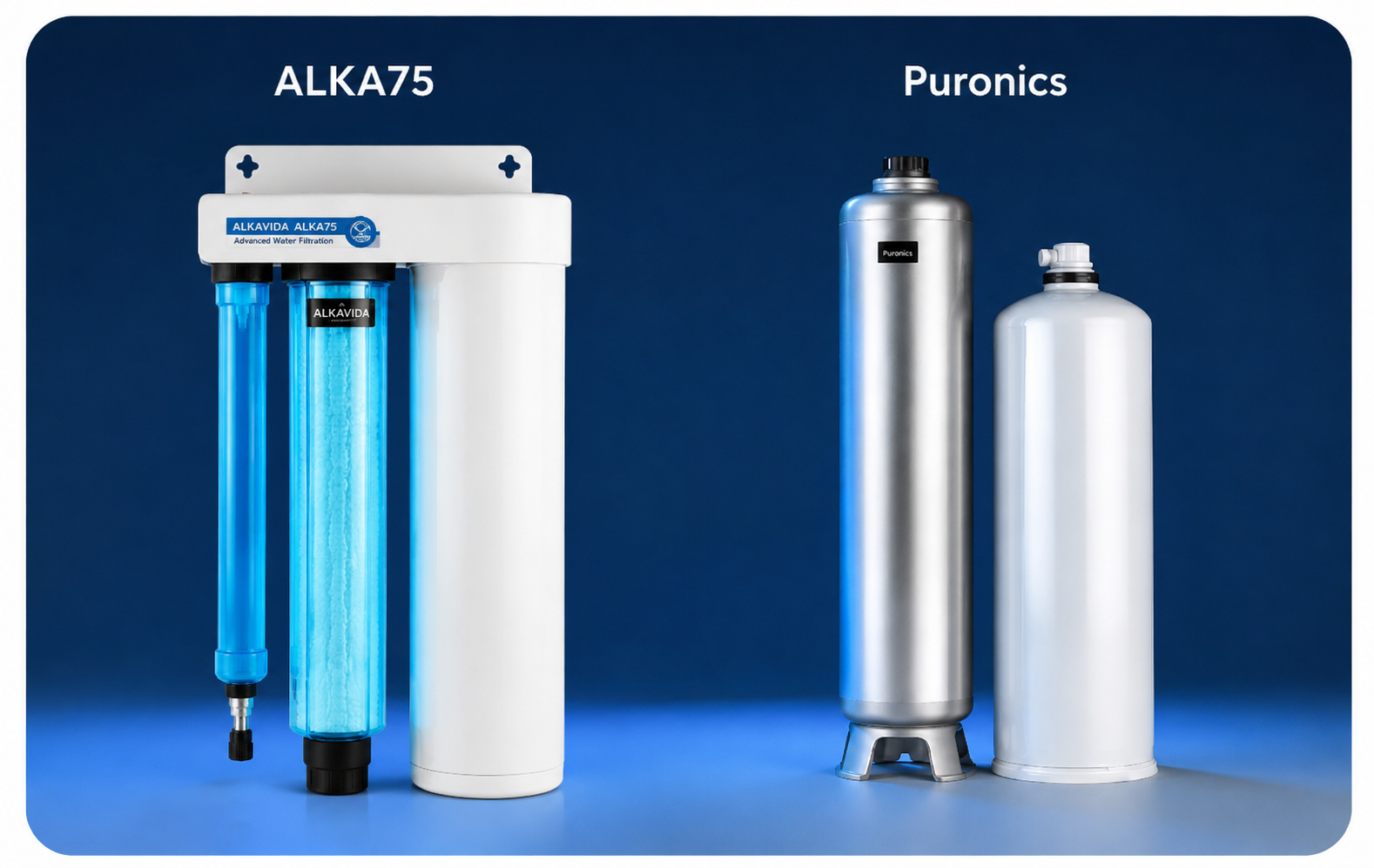
Puronics: California Water Experience Helps
Puronics' whole-house systems include filtration stages that address chlorine and taste/odor. Their familiarity with California municipal water systems — including chloramine use — gives them more relevant knowledge than brands centered in other regions.
Ask any Puronics dealer about chloramine specifically and whether their media is standard activated carbon or catalytic carbon. The answer will tell you how seriously they've addressed this dimension of Central Valley water chemistry.
Rating for chlorine/chloramine: Better California-specific knowledge. Verify media type and chloramine claims.
---
Kinetico: Their Carbon Systems Are Specified for Chloramine
Kinetico's whole-house carbon systems — particularly their Sulfur Guard and MacroGuard products — use coconut shell carbon that is specified for both chlorine and chloramine reduction. Kinetico has invested in documentation of their media performance, which makes verification easier.
For Central Valley homeowners who want whole-house chlorine/chloramine reduction combined with softening, Kinetico's combination systems are a legitimate premium option. The K5 drinking water station with appropriate cartridges provides comprehensive point-of-use protection including chloramine.
The Kinetico premium pricing applies here as well. A Kinetico whole-house carbon + softener combination in the Central Valley typically ranges from $3,500–$7,000+ installed.
Rating for chlorine/chloramine: Strong capability with verifiable documentation. Price is the primary constraint.
---
EcoWater: Carbon Filtration Available in Combination Systems
EcoWater's softener and filtration combinations include carbon filtration stages. Their Costco-channel systems often include a combination of water softening and carbon filtration. The specific carbon media type (standard vs. catalytic) in their systems should be verified for chloramine performance.
EcoWater's Smart Home WiFi-connected softeners are a nice feature for monitoring, but the chlorine/chloramine removal performance depends on the filtration media included in your specific configuration.
Rating for chlorine/chloramine: Standard carbon filtration available. Verify chloramine-specific capability for Central Valley applications.
---
Generation H2O: Emerging Presence, Verify Local Capability
Generation H2O markets whole-house filtration systems that address chlorine and other contaminants. Their digital-forward approach and competitive pricing are appealing. For Central Valley chloramine, verify that their systems use appropriate media and that they have local installation and service capability in your specific area.
Rating for chlorine/chloramine: Review carefully. Verify media specs and local service capability.
---
SpringWell: Catalytic Carbon Whole-House Systems Available
SpringWell is one of the more transparent direct-to-consumer brands on the chloramine question. Their whole-house filter systems — including the CF1 and CF+ series — explicitly use catalytic carbon designed for chloramine removal, not just standard activated carbon. This is a meaningful differentiator.
Their CF whole-house filter is specifically marketed for chloramine-heavy water supplies and uses a high-density coconut shell carbon combined with catalytic carbon media. This system genuinely addresses chloramine at the whole-house level — protecting all your water, not just drinking water.
Pricing is competitive: $900–$1,500 for the system before installation, which is significantly below equivalent dealer-sold systems. The limitation is installation (requires a plumber) and post-installation service (online/phone only).
Rating for chlorine/chloramine: Strong, with explicit catalytic carbon formulation for chloramine. Best for knowledgeable DIY-oriented buyers in the Central Valley.
---
APEC: RO System Addresses Chloramine in Drinking Water
APEC's under-sink RO systems use carbon pre-filtration before the membrane stage. This combination removes chlorine and significantly reduces chloramine at the drinking water tap. The RO membrane itself also rejects dissolved chloramine-related compounds.
For Central Valley homeowners who want excellent drinking water quality (chloramine-free, with DBP reduction), an APEC RO system is an excellent point-of-use solution at accessible pricing ($200–$400).
The limitation: this doesn't address chloramine in bathing water, laundry water, or the general household supply. For many Central Valley families, bathing in chloramine-heavy water contributes to dry skin, brittle hair, and irritated eyes. An under-sink RO only addresses the water you drink.
Rating for chlorine/chloramine: Excellent point-of-use drinking water performance. Does not address whole-house chloramine.
---
Aquasana: Strong Whole-House Chloramine System
Aquasana's Rhino whole-house filter series is one of the better-known direct-to-consumer whole-house chloramine removal systems. They explicitly market their systems for chloramine as well as chlorine, using a combination of copper-zinc (KDF) and coconut shell activated carbon media.
The Aquasana Rhino 600,000-gallon or 1,000,000-gallon systems retail for $1,000–$2,000 and are designed for DIY installation with standard plumbing connections. The KDF-55 media addresses heavy metals and creates an environment hostile to bacteria in the media bed, while the activated carbon addresses chloramine and organic compounds.
Independent testing of Aquasana's Rhino system shows effective chloramine reduction across the system's rated capacity. This is one of the more evidence-backed direct-to-consumer whole-house options for Central Valley chloramine.
Rating for chlorine/chloramine: Strong whole-house chloramine performance with documented testing. Good for Central Valley applications. Local service gap applies.
---
Pelican: Premium Whole-House Carbon Systems
Pelican's whole-house filter systems (PC600, PC1000, and combination products) use multiple stages of carbon filtration and are explicitly rated for chloramine removal. The PC600 is rated at 600,000 gallons; the PC1000 at 1,000,000 gallons — approximately 5–10 years of service for an average family.
Pelican systems retail at $1,500–$4,000+ depending on configuration. They're designed for professional installation and backed by a quality warranty. For a Central Valley household that wants comprehensive whole-house chloramine protection from a brand that has invested in testing and certification, Pelican is among the better premium direct options.
The add-on RO drinking water system from Pelican provides an additional layer of protection for drinking and cooking water.
Rating for chlorine/chloramine: Strong chloramine removal with solid documentation. Premium pricing. Good for Central Valley whole-house applications.
---
LifeSource: Chlorine Removal Is Their Core Business
LifeSource Systems is unusual among the brands on this list in that chlorine and whole-house filtration is their entire focus. Their whole-house filter is a large activated carbon unit designed to treat all household water for chlorine and chloramine removal, taste, odor, and sediment.
LifeSource specifically designs their carbon medium and system flow rates for chloramine removal — a more difficult challenge than free chlorine. Their systems are installed permanently (no replacement cartridges; the carbon is replaced every 8–10 years as a full service), which some homeowners prefer for simplicity.
For Central Valley homeowners whose primary concern is chlorine/chloramine and aesthetic water quality (not hardness removal, not nitrates, not arsenic), LifeSource is a genuine option worth evaluating. The limitation: they do not offer a hardness treatment solution. In the Central Valley, where water hardness is typically 10–25 gpg, a LifeSource-only system means your water is chloramine-free but still hard.
Pricing for LifeSource runs $2,500–$5,000+ installed depending on home size.
Rating for chlorine/chloramine: Strong, focused chloramine removal. Does not address hardness or other contaminants.
---
Home Valley Solutions: Whole-House Protection Built for Central Valley Water
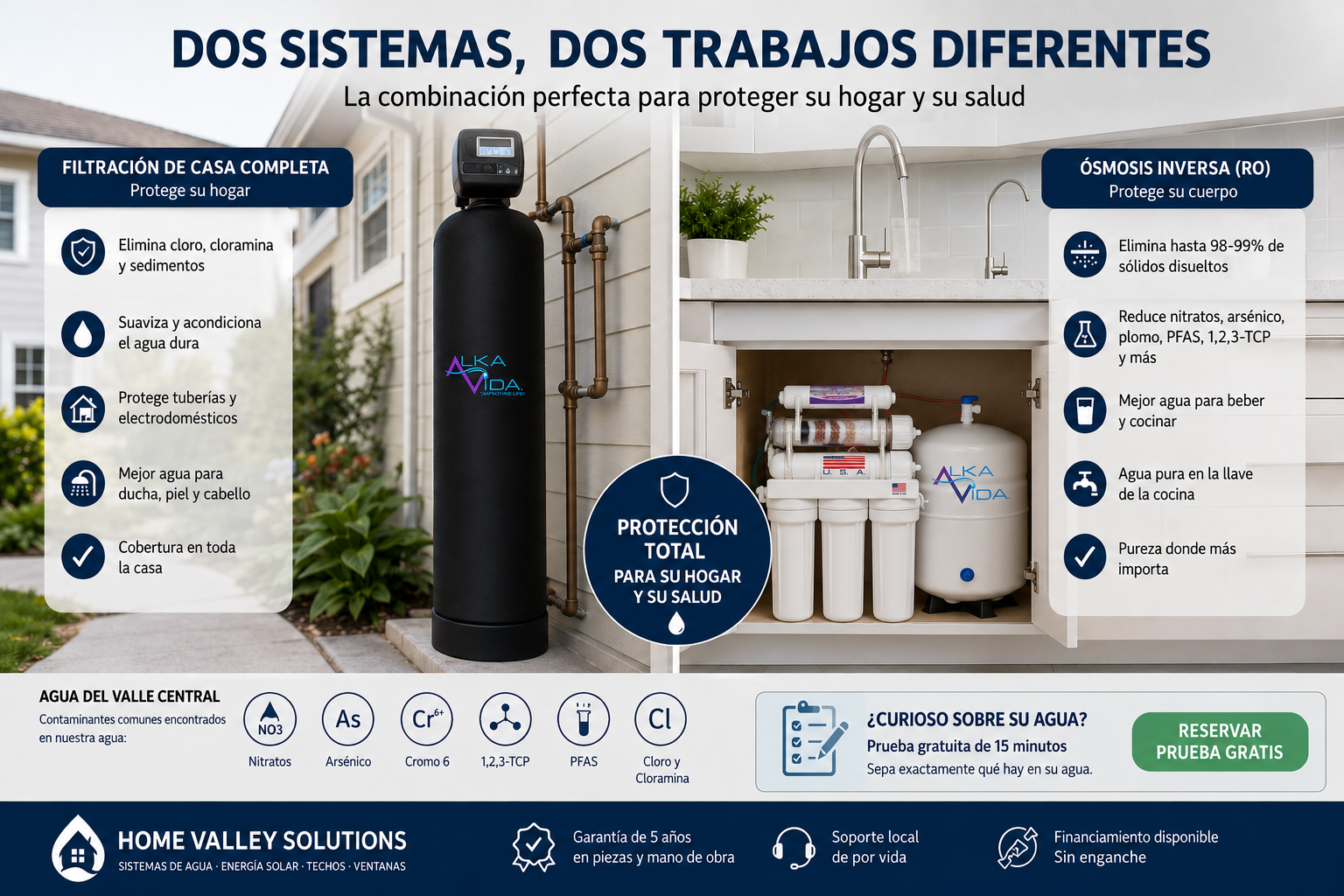
Home Valley Solutions approaches chlorine and chloramine removal as part of a comprehensive Central Valley water quality solution — not a single-problem fix. This is the right frame for the Central Valley, where water quality problems tend to stack: hardness plus chloramine plus elevated TDS, or chloramine plus iron plus sediment.
The Complete Picture Through Free Water Testing
Home Valley Solutions' free water test goes beyond the chlorine smell you can detect yourself. The test identifies:
- Whether free chlorine or chloramine (or both) is present
- Total dissolved solids (TDS) — elevated in most Central Valley municipal water
- Hardness level
- pH
- Any other contaminants relevant to your specific location and supply
This diagnostic approach is what makes the difference between a system that addresses your water and a system that addresses some of your water.
[Get your free Central Valley water test today](/free-water-test?utm_source=blog&utm_medium=seo&utm_campaign=comparison_blogs&utm_content=44-chlorine-removal-central-valley)
Whole-House Systems Using Appropriate Media for Chloramine
Home Valley Solutions specifies catalytic carbon in their whole-house filtration systems where chloramine is present — because standard GAC is not adequate for Central Valley water in cities using chloramine. The difference between a properly specified catalytic carbon system and a standard GAC system is the difference between actually removing chloramine and appearing to address it while leaving significant amounts in your water.
For Central Valley homeowners dealing with both hardness and chloramine, Home Valley Solutions installs combination systems: whole-house softening for hardness and catalytic carbon filtration for chloramine/DBP reduction. This addresses the full picture in a single integrated solution.
[Explore whole-house water filtration options](/services/water-filtration?utm_source=blog&utm_medium=seo&utm_campaign=comparison_blogs&utm_content=44-chlorine-removal-central-valley)
AlkaVida Alkaline Water: The Drinking Water Complement
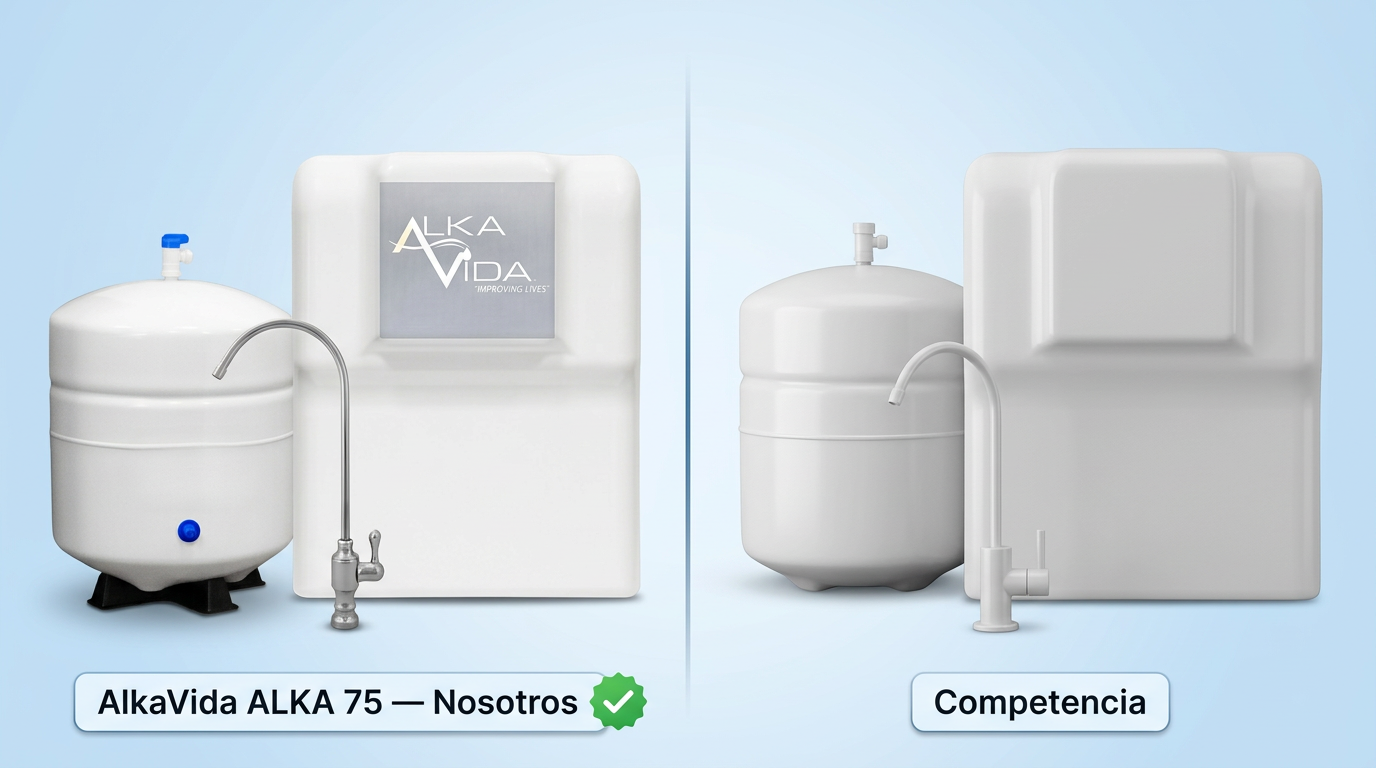
After whole-house treatment addresses chloramine and hardness, many Central Valley homeowners want exceptional drinking water quality at the tap — not just "city water that smells better." Home Valley Solutions' AlkaVida alkaline water system provides mineral-enhanced, alkaline water at your drinking water tap.
Unlike basic RO water (which removes everything and can taste flat), AlkaVida produces structured, mineralized water with an appropriate alkaline pH. For families who have been buying bottled alkaline water or using pitcher filters, AlkaVida eliminates that expense while delivering consistently superior quality.
[Learn about AlkaVida alkaline water systems](/services/alkaline-water?utm_source=blog&utm_medium=seo&utm_campaign=comparison_blogs&utm_content=44-chlorine-removal-central-valley)
Local Maintenance for Long-Term Performance
Activated carbon media has a service life. A whole-house carbon system installed and then forgotten will eventually exhaust its adsorption capacity, and you'll be back to chloramine in your water without realizing it. Home Valley Solutions provides scheduled maintenance check-ins and local service for media replacement and system inspection — so your chloramine protection remains active years after installation.
Phone: (559) 507-6838
Bilingual Service Throughout the Central Valley
Home Valley Solutions serves Central Valley communities in English and Spanish, recognizing that the region's diverse population includes many Spanish-speaking households. Water quality affects everyone, and everyone deserves clear communication about what's in their water and what to do about it.
---
The Central Valley Chloramine Problem: Why Whole-House Matters More Here
A common question from Central Valley homeowners is: "Can I just put a filter on my drinking water tap and call it good?"
For some contaminants, point-of-use treatment is sufficient. But for chloramine and its byproducts in the Central Valley, there are compelling arguments for whole-house treatment:
Bathing and showering exposure: Hot showers volatilize chloramine and its byproducts, creating inhalation exposure. Research suggests that shower inhalation can contribute meaningfully to total chloramine exposure. A whole-house filter addresses this; an under-sink filter does not.
Skin and hair effects: Many Central Valley residents report skin dryness, irritation, and hair damage that resolves significantly when bathing water is treated for chloramine. A point-of-use drinking water filter does nothing for shower water.
Laundry: Chloramine in laundry water can fade colored fabrics, degrade elastic, and affect the longevity of clothing. Whole-house treatment protects your wardrobe.
Indoor air quality: The volatile fraction of disinfection byproducts can accumulate in indoor air from shower steam, cooking water steam, and dishwasher exhaust. Whole-house treatment reduces this pathway.
For Central Valley families dealing with chloramine, the calculus often favors whole-house treatment combined with a dedicated drinking water system for the additional layer of protection at the tap.
[Explore whole-house and drinking water options](/services/water-filtration?utm_source=blog&utm_medium=seo&utm_campaign=comparison_blogs&utm_content=44-chlorine-removal-central-valley)
---
Comparison Summary: Chlorine and Chloramine Removal Across All Brands
| Brand | Whole-House Chloramine Capable | Point-of-Use | Addresses DBPs | Local Central Valley Service | Price Range |
|---|---|---|---|---|---|
| Culligan | Yes (verify media) | Yes | Partial | Dealer-dependent | $$–$$$$ |
| RainSoft | Yes (verify media) | Yes | Partial | Dealer-dependent | $$$$ |
| Puronics | Yes (verify media) | Yes | Partial | Limited | $$$–$$$$ |
| Kinetico | Yes (documented) | Yes | Yes | Limited dealer | $$$–$$$$ |
| EcoWater | Partial (verify) | Yes | Partial | Retail installer | $$–$$$ |
| Generation H2O | Yes (verify specs) | Yes | Partial | Limited | $$–$$$ |
| SpringWell | Yes (catalytic carbon) | Yes | Yes | No | $–$$ |
| APEC | No (RO only) | Yes | Yes (at POI) | No | $ |
| Aquasana | Yes (KDF+carbon) | Yes | Yes | No | $$–$$$ |
| Pelican | Yes (documented) | Yes | Yes | No | $$$–$$$$ |
| LifeSource | Yes (carbon focused) | No | Yes | Limited | $$$–$$$$ |
| Home Valley Solutions | Yes (catalytic carbon) | Yes | Yes | Yes, local | $$–$$$ |
---
Frequently Asked Questions About Chlorine and Chloramine in Central Valley Water
How do I know if my city uses chlorine or chloramine? Your city's annual Consumer Confidence Report (water quality report) will state the disinfectant residual. You can also call your water utility's customer service line. Home Valley Solutions' free water test will also identify which disinfectant is present.
Does a water softener remove chlorine or chloramine? No. Water softeners use ion exchange to remove calcium and magnesium (hardness). They do not remove chlorine or chloramine. If you have a softener and you're experiencing chlorine/chloramine problems, you need a filtration system in addition to or instead of the softener.
How long does a whole-house carbon filter last? It depends on the system size and your household water usage. Properly sized systems typically provide 5–10 years of effective service before media replacement is needed. Systems with inadequate carbon contact time or undersized tanks exhaust faster. Home Valley Solutions sizes systems for your household's actual usage.
Will a Brita pitcher filter remove chloramine? Standard Brita filters use GAC that is primarily designed for chlorine. Chloramine removal is minimal with standard Brita media. Brita's Longlast+ filters have improved chloramine performance, but these are still point-of-use solutions treating only drinking water at slow flow rates.
My water has both hardness and chloramine. What do I need? A combination system: whole-house softening for hardness, whole-house catalytic carbon filtration for chloramine, and potentially a dedicated drinking water system (RO or alkaline) for the tap. Home Valley Solutions commonly installs exactly this combination for Central Valley households.
Is chloramine safe? Why do cities use it? Chloramine is used because it's stable in the distribution system and less reactive with organic matter than free chlorine, producing lower levels of some regulated disinfection byproducts (specifically THMs and HAAs) during distribution. However, chloramine produces its own byproduct class (nitrogenous DBPs) that may be of health concern. It's a trade-off that regulators have made for distribution system benefits — but as a homeowner, you can opt to remove it at the point of entry into your home.
---
The Bottom Line: Matching the Right System to Central Valley Chloramine
The Central Valley's chlorine and chloramine challenge is real, affects virtually every city water customer, and has a well-understood solution: properly designed carbon filtration using appropriate media, maintained over time, with an optional dedicated drinking water system for maximum protection.
The key decisions are: 1. Whole-house or point-of-use (or both)? 2. Standard activated carbon or catalytic carbon (required for chloramine)? 3. Which brand has local service, honest consultation, and appropriate pricing?
Home Valley Solutions answers all three clearly: whole-house catalytic carbon for chloramine, combined with a dedicated drinking water system if desired, installed and maintained locally at fair pricing with bilingual service.
[Get your free water test and stop guessing what's in your water](/free-water-test?utm_source=blog&utm_medium=seo&utm_campaign=comparison_blogs&utm_content=44-chlorine-removal-central-valley)
[Explore whole-house filtration solutions](/services/water-filtration?utm_source=blog&utm_medium=seo&utm_campaign=comparison_blogs&utm_content=44-chlorine-removal-central-valley)
[Book a consultation with our local team](/appointment?utm_source=blog&utm_medium=seo&utm_campaign=comparison_blogs&utm_content=44-chlorine-removal-central-valley)
Call (559) 507-6838 for English or Spanish service.
---
Home Valley Solutions serves Fresno, Clovis, Modesto, Visalia, Hanford, Tulare, Merced, Turlock, and communities throughout the Central Valley. Licensed water treatment specialists. Bilingual English/Spanish service available.
¿Listo para mejorar la calidad de su agua?
Obtenga una prueba de agua gratuita y descubra cómo podemos ayudarle.