
If you live in Atwater and you've ever looked at the chalky residue on your faucets, tasted your tap water next to a bottle of filtered water, or wondered what exactly is coming out of your pipes — you're not alone. Atwater is a small city of around 30,000 residents in Merced County, sandwiched between agricultural operations that have long put pressure on Central Valley groundwater, and served by a municipal water system that faces the same challenges as other San Joaquin Valley communities.
This guide answers the question directly: is Atwater's tap water safe to drink in 2026? We'll cover what's in it, what the testing shows, where the real concerns are, and what you can do if you want better water quality at home.
About Atwater's Water Supply
The City of Atwater's water utility draws from a combination of sources:
Groundwater wells: Atwater relies heavily on local groundwater wells tapping the Merced County portion of the San Joaquin Valley groundwater basin. Groundwater in this basin has been subject to sustained agricultural contamination pressure for decades — fertilizer nitrogen, dairy waste, pesticide metabolites, and naturally occurring minerals including arsenic all contribute to elevated contamination levels in parts of this aquifer.
Surface water supplementation: During high availability periods, Atwater supplements with treated surface water from the State Water Project or local sources through regional water agreements. Surface water generally has lower hardness but can have higher sediment and organic content seasonally.
Treatment process: Atwater's water receives basic treatment — disinfection, pH adjustment — before distribution. The utility publishes an annual Consumer Confidence Report (CCR) detailing what was found and whether it meets EPA standards. Reading that report carefully (not just the summary paragraph) is step one for any concerned resident.
---
What's Actually in Atwater's Tap Water
Here's a breakdown of the contaminants and water quality characteristics that testing consistently reveals in Atwater's water supply:
Hardness: 12 to 25 gpg
Atwater's water is genuinely very hard. Depending on the groundwater source blend in use and the season, hardness ranges from 12 to 25 grains per gallon. To put that in context: water is classified as "slightly hard" at 1-3.5 gpg, "hard" at 7-10 gpg, and "very hard" above 10 gpg. Atwater water at 12-25 gpg is at the upper end of the very hard category.
What does this mean for your household?
- Water heaters: Hard water builds scale on the heating element and inside the tank. At Atwater's hardness levels, a water heater operating without treatment loses efficiency measurably within 1-2 years and may require replacement in 6-8 years instead of its rated 10-12 year lifespan.
- Dishwashers and washing machines: Scale accumulation shortens appliance life and reduces performance.
- Shower glass and tile: That film that never fully wipes away is calcium and magnesium carbonate deposits.
- Skin and hair: Hard water reduces the effectiveness of soap and shampoo lathering, can leave a film on skin, and is associated with hair brittleness and dryness.
- Plumbing: Scale slowly narrows pipes and valve seats. In older Atwater homes with galvanized or copper plumbing, this compounds existing aging pipe issues.
Nitrates: A Real Concern in Atwater
Merced County has documented nitrate contamination in groundwater throughout the county's agricultural zones, and Atwater sits within that zone. Nitrates enter groundwater primarily from:
- Nitrogen-based fertilizers applied to row crops, orchards, and dairy forage fields
- Dairy operation waste lagoons and land-applied manure
- Septic systems in unincorporated areas
The EPA maximum contaminant level (MCL) for nitrates is 10 mg/L. California has set a notification level of 45 mg/L as nitrate (equivalent to 10 mg/L as nitrogen — same number, different units, confusingly). Atwater's water utility monitors nitrates and takes action when levels approach the MCL, including blending with lower-nitrate sources.
However: the MCL represents the regulatory action threshold, not a "safe for everyone" level. Current health research suggests lower nitrate exposures may be significant for:
- Infants under 6 months (at risk for methemoglobinemia even at lower levels)
- Pregnant women
- People with certain gastrointestinal or thyroid conditions
For these populations, a reverse osmosis system at the kitchen sink is the most protective intervention regardless of whether Atwater's water currently meets the MCL.
Chloramine Disinfection
Like most San Joaquin Valley municipalities, Atwater uses chloramines (chlorine combined with ammonia) as a secondary disinfectant in the distribution system. Chloramines are more persistent than free chlorine, making them effective for protecting water through long distribution pipes in hot Central Valley conditions.
For residents, this creates specific concerns:
- Chloramines are harder to remove than free chlorine — standard carbon pitcher filters and basic whole house filters have limited effectiveness
- Chloramines produce different disinfection byproducts (DBPs) than free chlorine: primarily haloacetic acids (HAAs) and nitrosamines
- Some residents are more sensitive to chloramines — they can cause skin irritation, eye irritation, and affect people with certain respiratory conditions
- Chloramines are harmful to aquarium fish and must not be used for dialysis
What removes chloramines effectively: Catalytic carbon filtration (not standard activated carbon), reverse osmosis, and extended contact time with carbon block filters.
Total Dissolved Solids (TDS): 200 to 400 mg/L
Atwater's TDS runs on the higher end of the Central Valley range. TDS is the aggregate measure of all dissolved minerals, salts, and compounds in the water. High TDS isn't inherently dangerous — most of the dissolved material in Atwater's water is calcium, magnesium, sodium, and bicarbonates that are harmless or even nutritionally relevant.
However, high TDS:
- Gives water a flat, mineral-heavy taste that many residents find unpleasant
- Leaves residue on everything it touches and evaporates from
- Can indicate the presence of other dissolved contaminants alongside the harmless minerals
For residents who want to dramatically reduce TDS in their drinking water, reverse osmosis is the only in-home technology that achieves this effectively. A quality RO system brings TDS from 200-400 mg/L to under 30 mg/L.
Arsenic: A Groundwater Reality in Merced County
Naturally occurring arsenic is found in groundwater throughout California's Central Valley, and Merced County is no exception. Arsenic leaches from rock and soil formations into aquifers over geological time scales — this is not primarily an agricultural contamination issue, though some agricultural practices can increase arsenic mobility.
Atwater's water utility monitors for arsenic and must comply with the EPA's 10 ppb MCL. Periodic testing results available in the CCR show whether Atwater's specific groundwater sources are contributing measurable arsenic to the distribution system.
Key points about arsenic:
- You cannot taste, smell, or see arsenic in water
- Long-term exposure above the MCL is associated with bladder, lung, and skin cancers
- The California State Water Board has proposed a more protective state MCL of 4 ppb (stricter than the federal 10 ppb)
- Even at levels currently permitted under federal standards, health researchers advocate for precautionary treatment for vulnerable populations
Effective arsenic treatment: Reverse osmosis reduces arsenic substantially (typically 90%+ removal efficiency). Activated alumina and ferric oxide-based media are also effective for arsenic specifically. Standard carbon filters and water softeners do not address arsenic.
Lead: Know Your Pipes
Atwater's water supply itself is not a source of lead — the utility's water doesn't carry lead from the source. However, lead can enter water from lead service lines (connecting the main to individual homes) and from lead-bearing solder and fixtures inside older homes.
Atwater homes built before 1986 may have:
- Lead-based solder on copper pipe joints (used widely before the 1986 Safe Drinking Water Act amendment)
- Lead-bearing brass fittings (faucets rated as "lead-free" under the old 8% lead standard, not the current <0.25% standard)
If your home was built before 1986, lead testing from your tap (first-draw sample, not a mid-draw sample) is worth doing. Home filters that are certified under NSF Standard 53 for lead reduction are effective. Reverse osmosis removes lead to non-detectable levels.
Disinfection Byproducts (DBPs)
When chloramines react with organic matter in the water, they form regulated byproducts — primarily haloacetic acids (HAA5) and total trihalomethanes (TTHMs). The EPA regulates these at 60 ppb (HAA5) and 80 ppb (TTHMs). Atwater's annual CCR reports actual measured levels.
Long-term exposure to elevated DBPs has been associated with increased cancer risk (particularly bladder cancer) and adverse reproductive outcomes in some epidemiological studies. This is the scientific basis for wanting to filter your drinking water even if the water "meets all EPA standards" — meeting standards isn't the same as zero risk.
---
Is Atwater's Water Safe to Drink? The Honest Answer
Here is a direct, honest assessment:
Is Atwater's water meeting regulatory standards? Based on published CCR data, yes — the utility is treating water and testing it, and results reported to the state show compliance with EPA MCLs in most parameters most of the time.
Is Atwater's water high quality? No. By objective measures — hardness, TDS, disinfection method, DBP levels, proximity to agricultural nitrate contamination — Atwater's water quality is a legitimate concern, particularly for vulnerable populations.
Should you drink it unfiltered? That depends on your situation:
- Healthy adults: Meeting regulatory standards means the acute risk is low. Long-term cumulative exposure to DBPs, trace arsenic (even below MCL), and nitrates is a more nuanced question.
- Pregnant women, infants, immunocompromised individuals: We recommend filtered water — specifically reverse osmosis — for drinking and cooking.
- Anyone who can taste the water and find it noticeably unpleasant: This is a legitimate signal that your water has more dissolved material than you want to be consuming daily.
For your appliances and plumbing: The hardness is actively damaging your water heater, dishwasher, and other appliances right now. Hard water treatment via a softener is the most financially rational investment even if you're unconcerned about drinking water.
---
What Kind of Filtration Does Atwater Water Need?
Based on Atwater's water profile, here's a prioritized recommendation:
Priority 1: Water Softener (For Hardness)
For Atwater's 12-25 gpg water, a salt-based ion exchange water softener is the highest-impact single purchase. It:
- Extends water heater lifespan by years
- Protects dishwashers and washing machines
- Eliminates scale on fixtures and glass
- Reduces soap and detergent usage by 50%+
- Makes showering and hair washing noticeably more pleasant
A properly sized softener for an Atwater home: $800-$2,500 for equipment plus installation.
Priority 2: Catalytic Carbon Whole House Filter (For Chloramines)
Paired with the softener, a catalytic carbon filter at the point of entry addresses chloramines, chlorine, taste, odor, and reduces DBP levels reaching your faucets. Standard activated carbon is not sufficient for chloramine removal — specifically request catalytic carbon.
Additional cost: $500-$1,200.
Priority 3: Under-Sink Reverse Osmosis for Drinking Water
An under-sink RO system at your kitchen sink provides maximum protection for drinking and cooking water:
- Removes nitrates (the primary health concern for Atwater's agricultural proximity)
- Substantially reduces arsenic
- Removes DBPs
- Reduces TDS from 200-400 mg/L to under 30 mg/L
- Removes lead (important for pre-1986 homes)
- Removes PFAS compounds
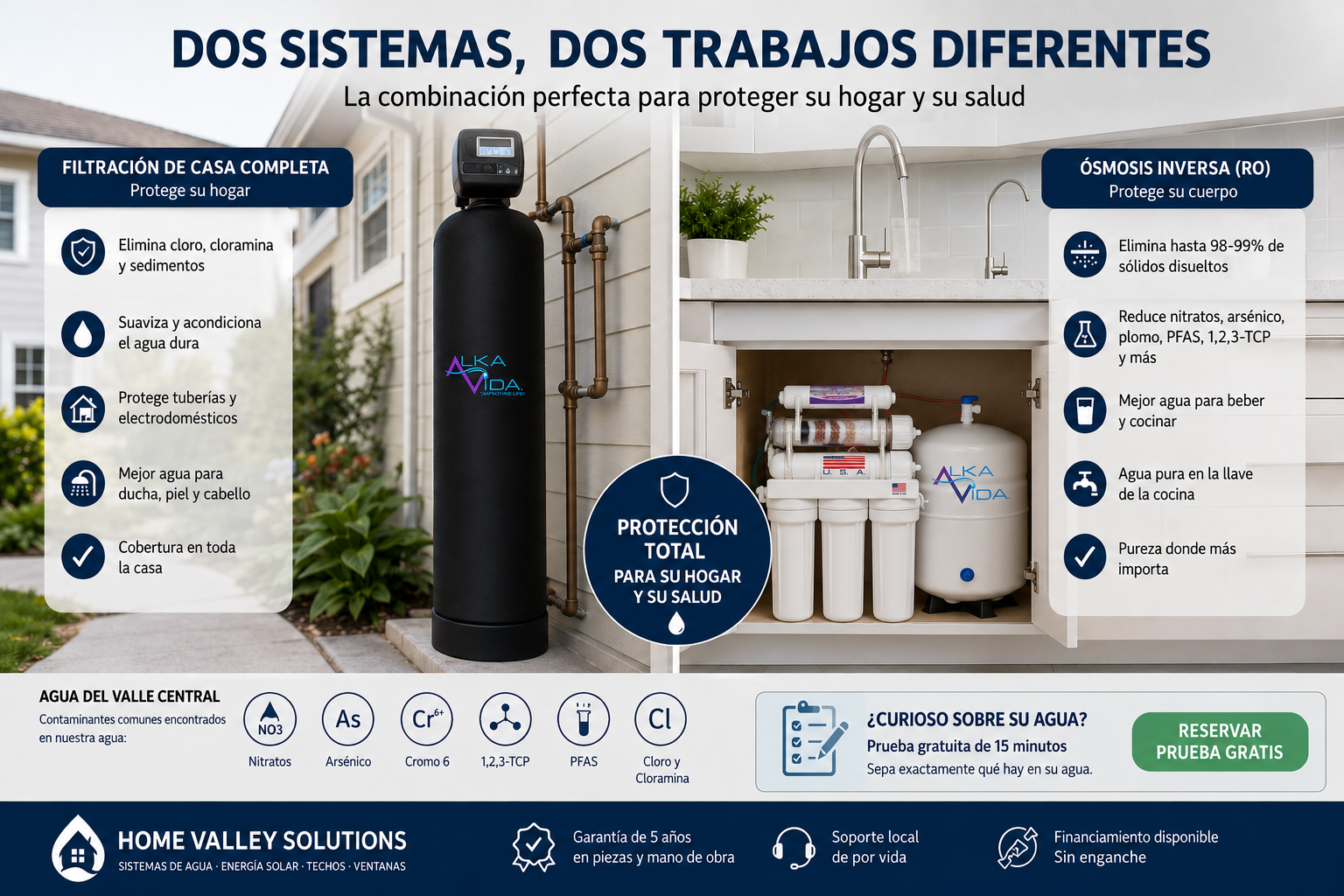
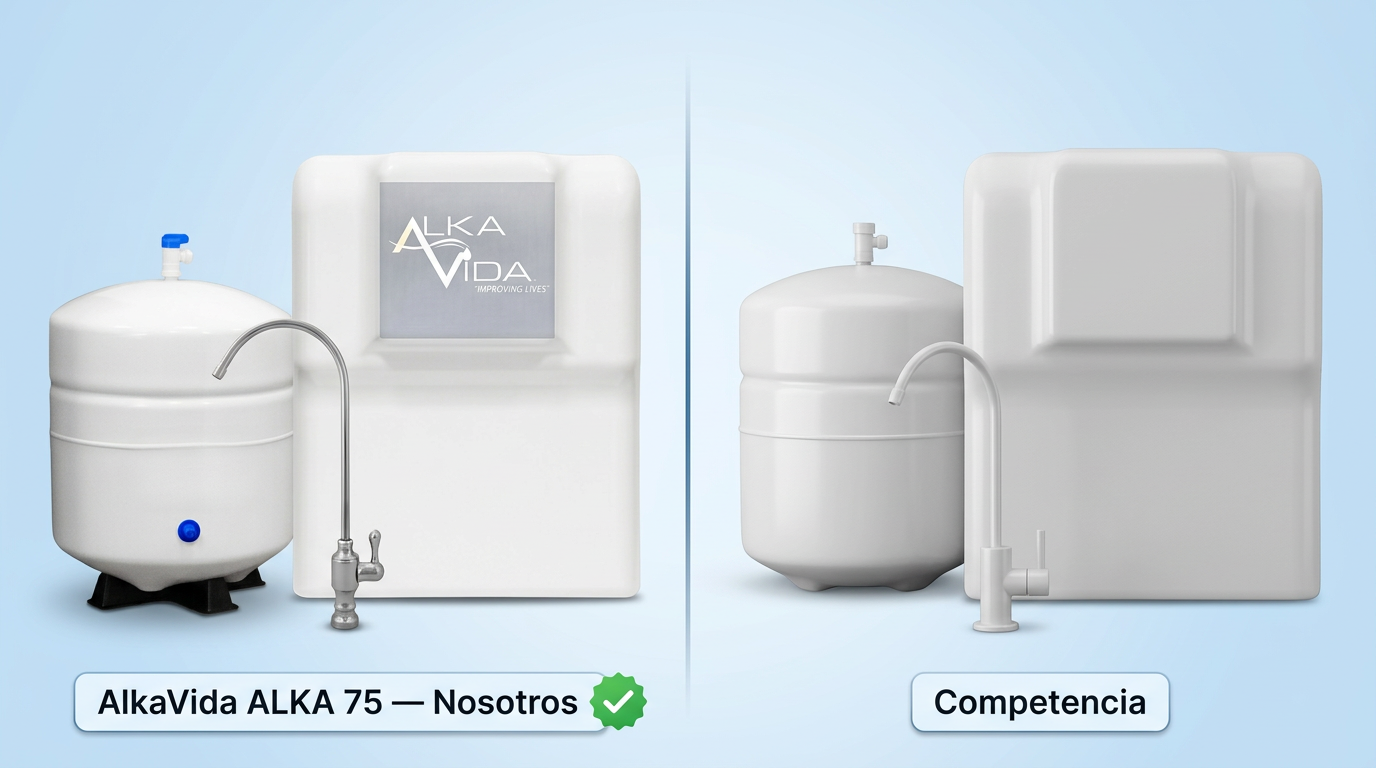
Home Valley Solutions offers the AlkaVida alkaline RO system, which adds a remineralization and alkalinization stage after the RO membrane. This brings pH to 8.5-9.5 and reintroduces healthy minerals in ionic form, addressing the common criticism that RO water is "too pure" and slightly acidic. The result is water comparable to premium alkaline spring water — from your kitchen faucet.
[Explore AlkaVida alkaline water systems](https://www.homevalleysolutions.com/services/alkaline-water?utm_source=blog&utm_medium=seo&utm_campaign=comparison_blogs&utm_content=is-atwater-tap-water-safe-2026-water-quality-analysis)
[Learn about reverse osmosis systems](https://www.homevalleysolutions.com/services/reverse-osmosis?utm_source=blog&utm_medium=seo&utm_campaign=comparison_blogs&utm_content=is-atwater-tap-water-safe-2026-water-quality-analysis)
---
What Different Companies Offer for Atwater Water
Culligan: Operates in the Merced County area. Their whole house softener + filter rental program runs $40-$60/month. For Atwater residents committed to staying in their home 5+ years, purchasing makes better financial sense — $2,400-$3,600 over five years with nothing owned. Culligan is a legitimate option for those who prefer managed service.
RainSoft: Premium systems at $4,000-$8,000. Quality equipment, but the in-home demo/sales pressure model is particularly aggressive. If you're quoted RainSoft, get two competing quotes before deciding. The performance difference at that price point versus a well-specified $2,500-$3,000 system is modest.
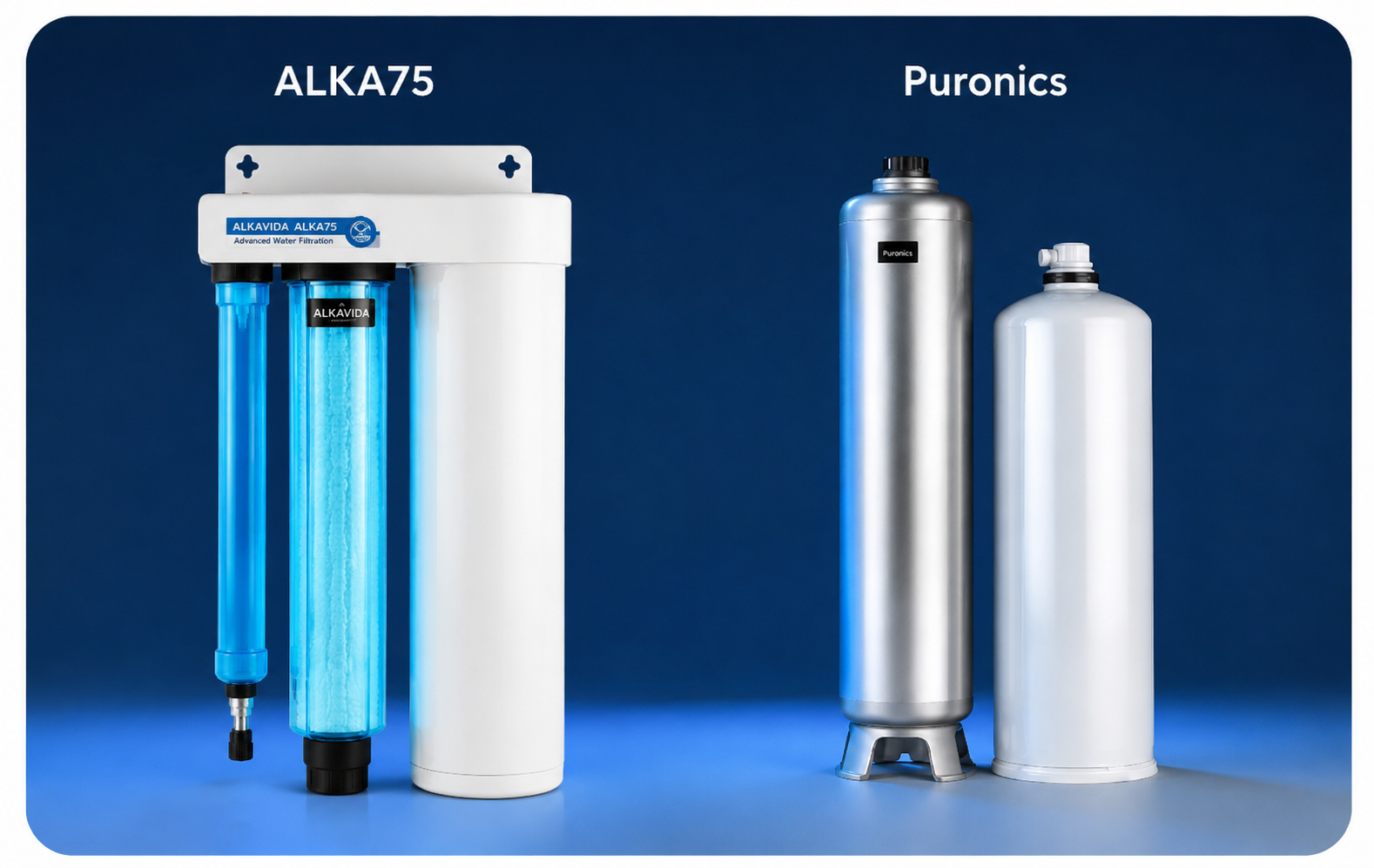
Puronics: $3,000-$6,000 range in the Central Valley market. Similar considerations to RainSoft — quality system, premium price driven partly by sales model.
Kinetico: $3,000-$6,000 for their non-electric twin-tank softener systems. Legitimate technical differentiation. Worth understanding if you're comparing premium options.
EcoWater: $2,500-$5,000. Solid reputation, dealer-installed.
LifeSource: Salt-free conditioning at $2,500-$4,000. For Atwater's hardness range (potentially up to 25 gpg), traditional salt-based softening will likely outperform salt-free conditioning for appliance protection and soft water feel. LifeSource works better in lower-hardness scenarios.
Generation H2O and 559 Water Filters: Local Central Valley options. Get quotes and compare. Local companies understand regional water chemistry.
APEC, SpringWell, Aquasana: Online/DIY brands. APEC's RO systems are well-regarded and cost $200-$400. Aquasana makes quality whole house systems in the $800-$2,000 range. The tradeoff is self-installation or hiring a plumber separately, and no local service support.
Home Valley Solutions: Serves Atwater and Merced County directly. The approach: free water test, transparent pricing, no commissioned sales pressure, bilingual service, and local knowledge of Merced County water quality. Systems sized for actual Atwater water chemistry — not a national template.
[Schedule a free water test in Atwater](https://www.homevalleysolutions.com/free-water-test?utm_source=blog&utm_medium=seo&utm_campaign=comparison_blogs&utm_content=is-atwater-tap-water-safe-2026-water-quality-analysis)
---
How to Read Your Atwater CCR
The Consumer Confidence Report tells you a lot — if you know how to read it. Tips:
Find the actual tested levels, not just "detected/not detected." A CCR may note that arsenic was "detected" without telling you the level clearly. Look for the measured value column and compare it to the MCL.
Look at the footnotes. CCRs often note that a contaminant was "detected" but "at levels below the MCL." This is accurate but can obscure that it was present at all.
Look for "health-based" vs "aesthetic" standards. Some contaminants have non-enforceable "notification levels" or "public health goals" that are lower than the MCL. The public health goal (PHG) for arsenic in California is 0.004 ppb — dramatically lower than the 10 ppb MCL. This gap between regulatory action and public health ideal is worth knowing about.
Check the year of the report. CCRs report on the previous calendar year. The report published in 2026 covers 2025 testing. Water quality can change, and an older CCR may not reflect current conditions — especially after drought periods that shift source water blending.
Find the testing frequency. For most contaminants, testing frequency is specified. Some contaminants are tested quarterly; others are tested only every 3 years if prior results were below action levels.
---
Frequently Asked Questions About Atwater's Water
Can I use Atwater tap water for baby formula? We recommend filtered water for infant formula, ideally from a reverse osmosis system. Nitrate levels in Atwater's groundwater-influenced supply warrant caution for infants under 6 months. An RO system reduces nitrates to non-detectable levels.
Will a Brita pitcher filter make my Atwater water safe? A Brita pitcher uses standard activated carbon and addresses taste and odor, and some reduction in chlorine and heavy metals. It does NOT reduce hardness, nitrates, arsenic, chloramines, or TDS significantly. For Atwater's water profile, a Brita pitcher is inadequate as a primary treatment solution.
I have a water softener already. Is that enough? A water softener addresses hardness — which is important — but doesn't address chloramines, nitrates, arsenic, DBPs, or TDS in your drinking water. It's an excellent first layer but not a complete solution. Pair it with a catalytic carbon filter on the main line and an under-sink RO at the kitchen for comprehensive coverage.
Does Atwater's water cause cancer? No study has linked Atwater's water to cancer at the individual level, and the utility is meeting EPA MCLs. That said, the combination of DBPs from chloramine disinfection, potential trace arsenic, and trace nitrates all appear in epidemiological research on cancer risk. The science supports minimizing these exposures — particularly for drinking and cooking water — using RO or equivalent technology.
My water tastes fine. Does that mean it's safe? Not necessarily. Arsenic is colorless, odorless, and tasteless. Nitrates don't produce detectable taste at moderate concentrations. DBPs are generally undetectable at the concentrations typically found in treated water. Taste is a poor proxy for water safety. Testing is the only way to know.
How often should I test my water in Atwater? If you're on city water, the utility tests continuously and publishes annual CCRs — so you have ongoing monitoring data. We recommend a professional in-home test annually if you have a treatment system, to verify the system is performing. If you're on a private well anywhere in the Merced County area, test at least annually and after any flooding, known agricultural chemical spills, or other events.
---
The Financial Case for Treating Atwater's Hard Water
Let's put numbers on the hard water cost that most Atwater residents are absorbing without realizing it.
Water heater efficiency: At 20 gpg, water heater scale can reduce efficiency by 20-30% annually. For a family spending $800/year on water heating, that's $160-$240 wasted per year — or $1,600-$2,400 over 10 years.
Water heater replacement: Hard water reduces expected water heater lifespan from 10-12 years to 6-8 years, on average. A replacement water heater plus installation runs $1,000-$2,500. Hard water can cost you 1-2 extra water heater replacements over 20 years of homeownership.
Dishwasher and washing machine: Hard water reduces dishwasher lifespan and effectiveness. Increased soap usage (you need more soap to get the same result in hard water) costs $50-$150/year extra.
Bottled water: Atwater residents who don't like the taste of their tap water often substitute bottled water. A family buying water at $0.50/gallon (common for 5-gallon jugs) and consuming 2 gallons/day spends $365/year on bottled water. Over 10 years, that's $3,650.
Total unaddressed hard water cost estimate (10 years): $3,000-$8,000
A softener plus whole house filter system installed in the $2,000-$3,500 range pays for itself within 3-5 years in most Atwater households — before accounting for the improved quality of life, less cleaning work, better hair and skin, and protected plumbing.
---
Taking Action: Where to Start
The right first step is a free water test. You'll get actual numbers for your Atwater water — hardness, TDS, pH, chlorine/chloramine levels — and a clear explanation of what they mean and what solutions make sense.
[Schedule your free Atwater water test](https://www.homevalleysolutions.com/free-water-test?utm_source=blog&utm_medium=seo&utm_campaign=comparison_blogs&utm_content=is-atwater-tap-water-safe-2026-water-quality-analysis)
If you want to move quickly, our team is available by phone at (559) 507-6838. We serve Atwater, Merced, Winton, Livingston, and surrounding Merced County communities.
[View our water filtration services](https://www.homevalleysolutions.com/services/water-filtration?utm_source=blog&utm_medium=seo&utm_campaign=comparison_blogs&utm_content=is-atwater-tap-water-safe-2026-water-quality-analysis)
[Book an in-home appointment](https://www.homevalleysolutions.com/appointment?utm_source=blog&utm_medium=seo&utm_campaign=comparison_blogs&utm_content=is-atwater-tap-water-safe-2026-water-quality-analysis)
---
Summary: Atwater Water Quality 2026
- Is it safe by regulatory standards? Generally yes, within EPA MCLs.
- Is it high quality? No. Very hard (12-25 gpg), chloramine-disinfected, elevated TDS, agricultural nitrate proximity, trace arsenic present, and measurable DBPs.
- Who should be most concerned? Infants, pregnant women, immunocompromised individuals, and anyone with pre-1986 plumbing.
- What's the most impactful single investment? A water softener — primarily for appliance protection and daily quality of life.
- What provides the best drinking water safety? Under-sink reverse osmosis or AlkaVida alkaline RO at the kitchen faucet.
- What does comprehensive protection cost? $2,000-$4,500 installed for a whole house softener + catalytic carbon filter + under-sink RO, depending on home size and system specifications.
- Starting point: Free water test, no obligation. Call (559) 507-6838 or visit homevalleysolutions.com.
---
Home Valley Solutions is a local, family-owned water filtration company serving Atwater, Merced County, and the entire Central Valley. Bilingual service, no sales pressure, free water testing. Call (559) 507-6838.
¿Listo para mejorar la calidad de su agua?
Obtenga una prueba de agua gratuita y descubra cómo podemos ayudarle.