
Atwater is a small city in Merced County, and its water quality situation reflects both the benefits and the challenges of life in California's Central Valley. If you're a homeowner here, you've probably noticed the signs: hard water deposits on your fixtures, water that doesn't quite taste right, or a neighbor who swears by their filtration system. This guide is designed to give you the real picture — no guesswork, no sales pitch embedded in the middle of a supposedly neutral article — just clear information about what's in Atwater's water and what you can do about it.
We'll look at the municipal system, the significant percentage of Atwater-area homeowners on private wells, the specific contaminants that matter, and how to compare the water treatment companies that serve this market.
Atwater's Water Supply: Where It Comes From
Atwater is served by the City of Atwater's water system, which draws from a combination of local groundwater wells. Unlike larger cities in the Central Valley that have access to surface water from major rivers, Atwater relies heavily on aquifer water drawn from the Central Valley groundwater basin.
This has important implications. Groundwater in the Central Valley has been extensively studied by the State Water Resources Control Board and by Merced County, and the findings paint a consistent picture: the aquifer beneath much of this region carries elevated levels of minerals and agricultural chemicals that reflect decades of farming activity and the natural geology of the San Joaquin Valley.
Additionally, a meaningful percentage of homes and properties outside the city core — particularly in rural Atwater and the surrounding Merced County area — are on private wells entirely separate from the municipal system. These homeowners carry full responsibility for their own water testing and treatment.
---
What Atwater Homeowners Are Actually Dealing With
Hard Water
Atwater's water is hard. Testing across the city consistently shows hardness levels that fall into the "hard" to "very hard" category — generally between 12 and 22 grains per gallon (gpg) depending on the specific well source in use at any given time. The seasonal variation matters because the city blends water from multiple wells, and the mineral content of those wells can differ.
At 15+ gpg, water is significantly above the threshold where most water quality professionals recommend treatment. The effects are cumulative and expensive if ignored:
In your kitchen: Dishes come out of the dishwasher spotted and filmy. Coffee makers build up scale. The kettle has a white crust after a few months.
In your bathrooms: Showerheads clog with mineral deposits. Glass shower doors develop a film that doesn't wash off. Skin and hair feel dry and rough because the soap doesn't rinse cleanly in hard water.
In your plumbing and appliances: This is where hard water gets genuinely costly. At 15–22 gpg, scale builds up inside water heater tanks and in the supply lines of dishwashers, washing machines, and refrigerator ice makers. A gas water heater that should last 12 years might fail at 7 or 8 years in hard water conditions. Electric water heaters have heating elements that scale over and can fail even faster. The Department of Energy has published data showing that water heaters operating in hard water conditions can lose up to 48% of their efficiency as scale builds on the tank walls.
For a homeowner in Atwater, this means your utility bills are quietly higher than they should be, and your appliances are dying faster than they should. A water softener is not a luxury in this context — it is a protective investment.
Well Water Concerns
For Atwater-area homeowners on private wells, the water quality picture is more complex and requires individual attention. Private wells are not regulated under the Safe Drinking Water Act, which means there is no municipal testing, no Consumer Confidence Report, and no regulatory oversight of your water quality. You are your own water utility.
Private wells in the Merced County area present several specific risks:
Older casings and construction: Many wells in the area were drilled decades ago and may have compromised casings that allow surface water infiltration, particularly after heavy rainfall events. Surface water can carry bacteria, sediment, and agricultural chemicals.
Fluctuating water tables: California's ongoing groundwater challenges mean that wells that operated at one depth for years may now be drawing from a different portion of the aquifer, which can have different mineral and chemical profiles.
No treatment at the source: Municipal water is treated with disinfectants and filtered before distribution. Well water arrives at your tap exactly as it comes from the ground — for better or worse.
If you are on a well in the Atwater area and you have not had your water tested within the past 12 months, that should be the first thing you do after reading this guide.
Nitrate Concerns
Nitrate contamination is one of the most significant and well-documented water quality issues throughout Merced County and the broader Central Valley. The State Water Board has identified numerous community water systems in the region that either exceed or approach the EPA maximum contaminant level (MCL) of 10 mg/L for nitrates.
The source is agricultural: decades of nitrogen-based fertilizer application has gradually saturated the soil, and those nitrates migrate downward into the groundwater. The process is slow but persistent. Areas with intensive farming history — which describes most of rural Merced County — have the highest groundwater nitrate concentrations.
For Atwater's municipal system, the city tests regularly and must notify customers if nitrate levels exceed the MCL. However, this legal requirement only mandates notification — it does not require the city to immediately fix the problem, and there have been periods where small Central Valley water systems have operated on variance while working toward compliance.
For private well users, you may be drinking water with elevated nitrates without knowing it.
Health impact: Nitrates are most dangerous for infants under six months. At elevated levels, they interfere with oxygen transport in the blood. For pregnant women and adults with certain conditions, lower-level nitrate exposure has been associated with other health concerns. Reverse osmosis is the most effective consumer-accessible method for removing nitrates from drinking water.
Small-City Municipal System Considerations
Small municipal systems like Atwater's face resource constraints that larger city utilities do not. They operate with smaller budgets, less redundancy in their infrastructure, and fewer options when faced with a contamination event or source water quality decline. This doesn't mean Atwater's water is unsafe — the system is regulated and tested — but it does mean homeowners in smaller cities often benefit more from in-home filtration than residents of large metropolitan systems with extensive multi-stage treatment.
It also means that Atwater homeowners may experience more variability in their water quality than residents of larger cities. When the city shifts between well sources, the water coming out of your tap can change character — hardness levels shift, TDS changes, and sometimes taste and odor vary noticeably.
---
Filtration Solutions That Make Sense for Atwater
Based on what we know about Atwater's water, here is what actually works:
Water Softener for Hard Water
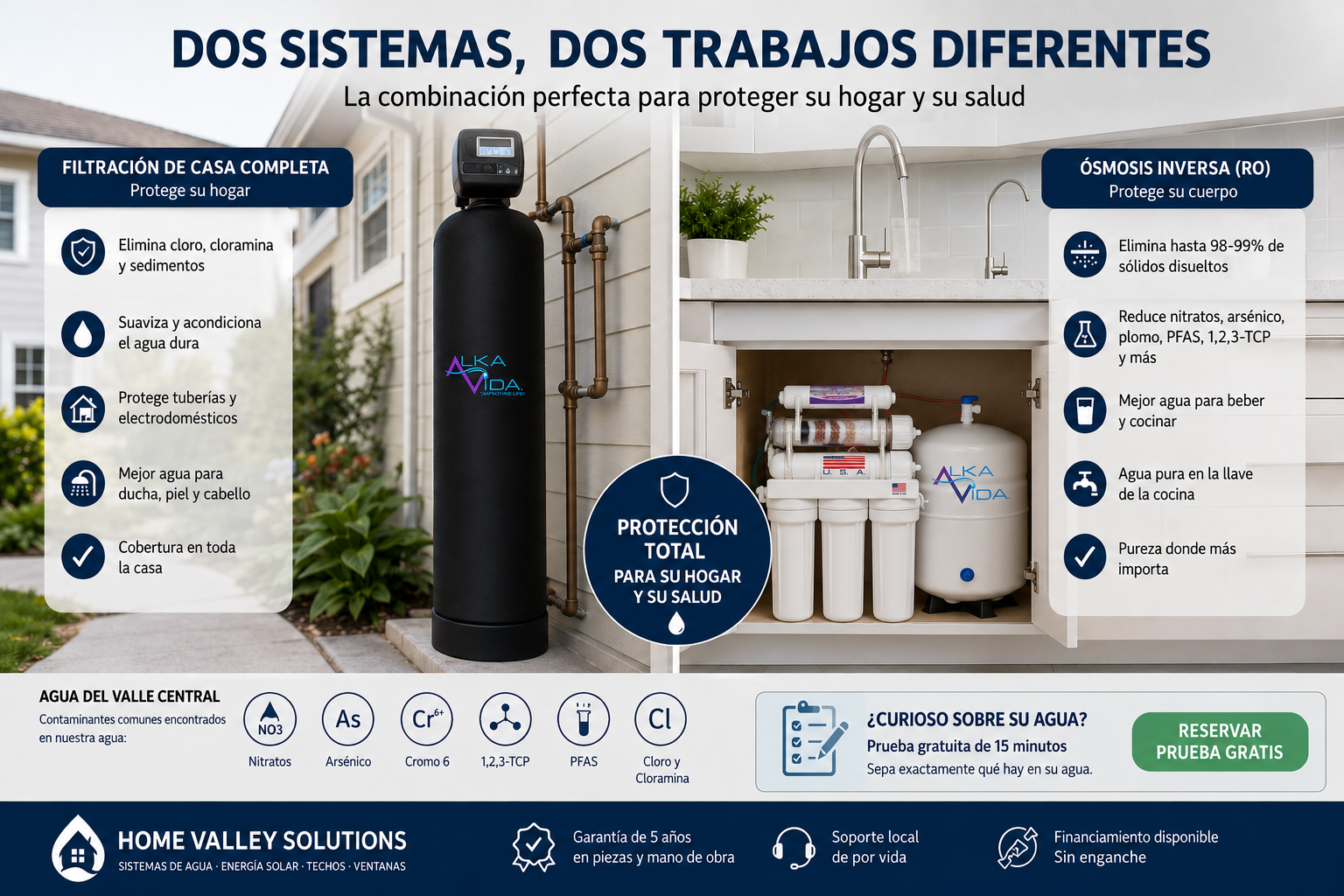
A salt-based ion exchange water softener is the foundational solution for Atwater's hard water. A properly sized softener will:
- Eliminate scale buildup throughout your home
- Extend the life of your water heater significantly
- Make cleaning dramatically easier (less soap scum, spot-free dishes)
- Improve how your skin and hair feel after showering
- Protect your washing machine, dishwasher, and other appliances
For Atwater's hardness range (12–22 gpg), a residential softener needs to be sized to handle your household's daily water usage plus adequate capacity for regeneration cycles. An undersized softener will run out of capacity before it regenerates, leaving you with periods of unsoftened water. This is one of the most common mistakes made during installation.
The correct size for most Atwater homes is a 32,000–48,000 grain capacity system for a 3–4 person household. A larger home or a family with high water usage may need 64,000 grains.
[See our whole-house water filtration options](/services/water-filtration?utm_source=blog&utm_medium=seo&utm_campaign=comparison_blogs&utm_content=atwater-water-quality-report)
Reverse Osmosis for Drinking Water
For nitrate removal and overall drinking water quality, a reverse osmosis system installed under your kitchen sink is the most effective solution available at the residential level. RO removes:
- Nitrates (typically 85–95% removal rate)
- TDS, including excess minerals
- Chloramines and chlorine
- Heavy metals including lead, arsenic, and chromium
- Many pharmaceutical compounds
- Most bacteria and parasites (though most municipal water is already disinfected)
RO systems require maintenance — filter changes every 6–12 months and membrane replacement every 2–3 years — but the cost of maintenance is a fraction of buying bottled water, and the water quality is typically superior to most bottled water brands.
For well water users in the Atwater area, RO filtration for drinking water is particularly important given the unregulated nature of private wells and the documented nitrate issues in Merced County groundwater.
[Learn more about our reverse osmosis systems](/services/reverse-osmosis?utm_source=blog&utm_medium=seo&utm_campaign=comparison_blogs&utm_content=atwater-water-quality-report)
Sediment and Carbon Pre-Filtration (Well Water)
If you are on a private well, your filtration needs go beyond softening and RO. You should also consider:
Sediment filtration: A whole-house sediment filter (10–50 micron, typically a cartridge filter) protects downstream equipment from sand, silt, and particulate matter that can be present in well water. This is particularly important after wet weather events when surface infiltration is possible.
Catalytic activated carbon: If your well water has odor issues (rotten egg smell from hydrogen sulfide is common in some Central Valley groundwater) or taste concerns, a whole-house catalytic carbon filter will address this before the water reaches any point of use.
Alkaline Water Systems
Beyond filtration, some Atwater homeowners choose to add alkalinization to their drinking water. Alkaline water systems produce water in the 8.0–9.5 pH range, which many people prefer for taste and potential wellness benefits. Home Valley Solutions offers the AlkaVida alkaline water system as part of their drinking water solution lineup.
[Explore alkaline water options for your home](/services/alkaline-water?utm_source=blog&utm_medium=seo&utm_campaign=comparison_blogs&utm_content=atwater-water-quality-report)
---
Water Treatment Companies Serving Atwater: An Honest Comparison
The Central Valley water treatment market is crowded, and Atwater homeowners are regularly approached by both national franchise dealers and local independents. Here is a clear-eyed comparison.
Culligan
Culligan has national name recognition and a comprehensive product lineup. Their dealer network serves Merced County, and they offer everything from salt delivery services to full whole-house systems.
The honest picture: Culligan's pricing is typically 30–50% higher than comparable systems from local or regional companies. Their in-home sales process can be lengthy and includes financing packages that, when fully costed over the contract period, result in total payments significantly above the cash price. Rental programs lock homeowners into ongoing monthly payments that can exceed $50–$80/month indefinitely. Long-term, buying a quality system from a local company usually beats Culligan's rental economics decisively.
Their service network can be an advantage for homeowners who want guaranteed ongoing support from a company that will definitely be around in 15 years. But in the Central Valley specifically, there are local alternatives that provide comparable support without the premium pricing.
RainSoft
RainSoft dealers operate in the Central Valley and market aggressively to homeowners in areas like Atwater. Their systems are technically sound, and the company has been around for decades.
The honest picture: RainSoft's selling model relies heavily on lengthy in-home demonstrations designed to close a sale on the day of the visit. The starting prices quoted during these presentations are typically much higher than market, with "discounts" structured to create urgency. Consumer reviews consistently describe feeling pressured during the sales process. If you invite a RainSoft dealer to your home, block several hours and make no decisions that evening.
Kinetico
Kinetico's core product — a non-electric, demand-initiated twin-tank softener — is genuinely well-engineered. The twin-tank design means one tank is always in service while the other regenerates, so you never run out of soft water. The non-electric design means lower operating costs and fewer components that can fail.
The honest picture: Kinetico is a quality product at a premium price. They're worth considering for homeowners who want a top-tier softener and are willing to pay for it. Service is dependent on Kinetico dealers, so verify the responsiveness of your local dealer before committing.
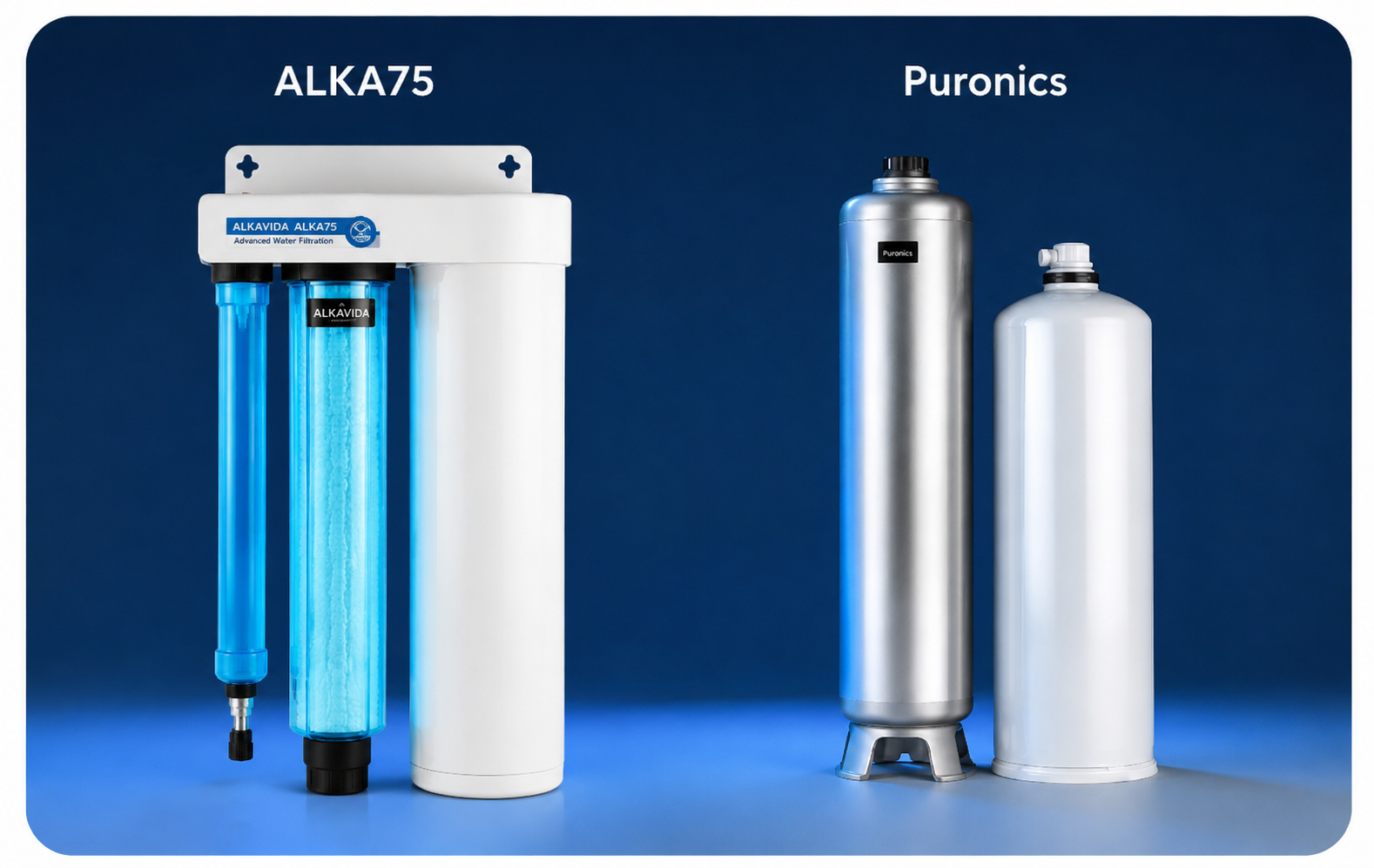
Puronics
Puronics is a California-based manufacturer with a strong Central Valley presence. Their marketing emphasizes the NASA heritage of their silver-impregnated resin (an antibacterial property) and California-specific water challenges.
The honest picture: The products are real and the California focus is legitimate. The sales model mirrors RainSoft's approach — in-home, long presentations, premium pricing. The "NASA technology" marketing is accurate but sometimes overstated in terms of its practical benefit for everyday homeowners.
EcoWater
EcoWater is part of a large conglomerate and manufactures reliable, mid-to-premium water treatment equipment. Their smart-connected systems are a differentiator for tech-inclined homeowners.
The honest picture: Solid equipment, dealer-dependent service. The smart features are nice but not necessary for most homeowners. Pricing is middle-of-the-market for the premium brands.
Generation H2O
A regional player with Central Valley presence. Less aggressive sales tactics than the major franchises, more competitive pricing.
The honest picture: A reasonable mid-market option. Less product depth than the large brands, but serviceable for homeowners who want something better than a big-box store system without the franchise premium.
559 Water Filters
Budget-oriented local company serving the wider Central Valley from a Fresno base.
The honest picture: Low entry prices, minimal support infrastructure. Best for homeowners who want a DIY-adjacent experience and are comfortable managing their own system maintenance.
A-1 Water Quality
Established regional operator. Primarily focused on softeners and basic filtration. Known in the Central Valley market.
The honest picture: Reliable for straightforward softener installations. Not the best choice for complex well water situations requiring multi-stage treatment.
Clean Valley Water
Regional company with similar positioning to A-1. Local focus, competitive with the national franchises on price.
The honest picture: A legitimate alternative to the big names for standard softener and filtration needs.
Home Valley Solutions
Home Valley Solutions is a locally owned, family-run water filtration company serving Atwater and all of Merced County. They are bilingual (English and Spanish), which is highly relevant in a community like Atwater where a significant portion of residents are more comfortable communicating in Spanish.
What distinguishes HVS in the Atwater market:
- Free in-home water testing before any recommendation is made. If you're on a well, this is especially valuable — HVS tests your actual water, not a hypothetical average.
- No commissioned sales staff — recommendations are based on what your water needs, not what generates the highest commission
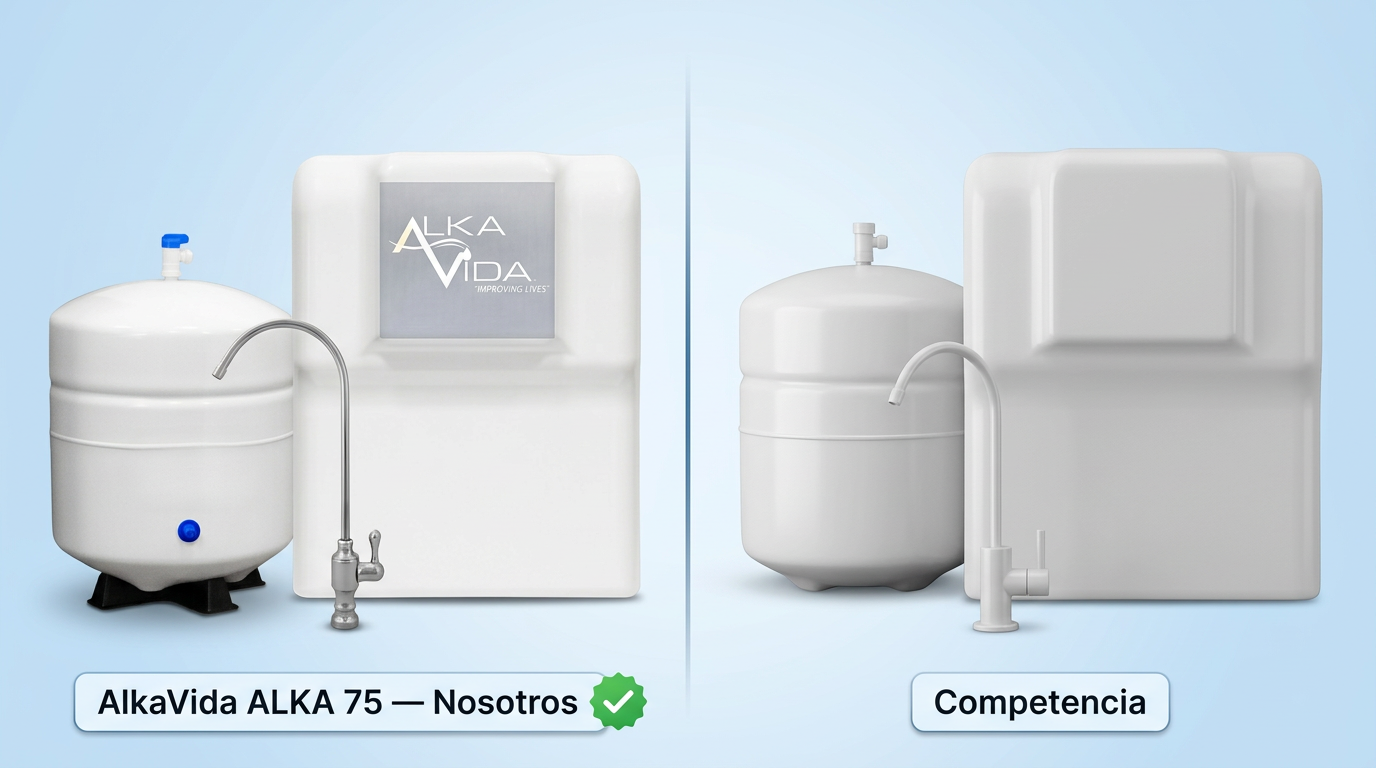
- Complete solution capability — softeners, whole-house filtration, RO systems, and the AlkaVida alkaline water line, covering every scenario from municipal hard water to complex well water situations
- Bilingual service throughout the entire process — consultation, installation, and follow-up support
- Local presence — Atwater calls don't go to a national call center
[Get your free Atwater water test scheduled now](/free-water-test?utm_source=blog&utm_medium=seo&utm_campaign=comparison_blogs&utm_content=atwater-water-quality-report)
---
How to Read Atwater's Water Quality Data
If you receive water from the City of Atwater's municipal system, you should receive an annual Consumer Confidence Report (CCR). The city is required to make this available each year by July 1st. If you haven't seen it, you can request it from the city's public works department or find it on the city website.
Key sections to review:
Source water information: This tells you which wells are currently in use and gives you a baseline for understanding the water that's being treated.
Detected contaminants table: This lists every contaminant detected above the reporting threshold, alongside the MCL (legal limit), MCLG (health-based goal), and the actual level detected. Pay attention to:
- Nitrates
- Disinfection byproducts
- Any heavy metals listed
- The hardness level (sometimes listed as a secondary standard)
Violation history: Any past violations and their resolution status. A history of nitrate violations is a significant red flag for drinking water quality.
For well users: You won't find your well in any CCR. Get your water tested by a certified laboratory. The State Water Board maintains a list of certified labs in California. Test for at minimum: nitrates, coliform bacteria, hardness, arsenic, and pH.
---
The Cost of Doing Nothing in Atwater
Hard water at 15–22 gpg imposes a quiet financial cost on homeowners who do nothing. Here's a rough accounting over a 10-year period:
Premature water heater replacement: A tank water heater in very hard water areas may need replacement after 7–8 years instead of 12–15. At $800–$1,500 for a replacement heater installed, that's an extra $800–$1,500 you spend early.
Increased energy bills: A heavily scaled water heater can cost 20–40% more to operate. For a typical Central Valley home using a gas water heater, that might be $20–$50 per month in wasted energy — $2,400–$6,000 over 10 years.
Appliance replacements: Dishwashers and washing machines in hard water conditions fail earlier. Budget conservatively for $500–$1,000 in premature appliance costs.
Bottled water: If you're buying water because the tap tastes bad, a family can easily spend $50–$100 per month on bottled water — $6,000–$12,000 over 10 years.
By contrast, a complete whole-house softener plus RO system installed by HVS typically costs $2,500–$5,000 all-in and lasts 15–25 years with modest maintenance. The financial math for treating Atwater's water is not close.
---
Frequently Asked Questions: Atwater Water
Is Atwater water safe to drink? The City of Atwater's municipal water meets regulatory standards. However, regulatory compliance and optimal water quality are not the same thing. Homeowners with specific health concerns — infants, pregnant women, immunocompromised individuals — should consider filtration beyond what the municipal treatment provides.
What if I'm on a well in Atwater? Test your water annually, at minimum. Don't assume well water is clean because it looks and smells fine. Nitrates and arsenic are odorless and colorless. A proper test covers the full range of agricultural chemicals, metals, and bacteria relevant to the area.
Can a water softener make my water taste better? Softeners are not designed to improve taste. A softener removes hardness (calcium and magnesium) but doesn't address chloramines, TDS, or the other factors that affect taste. For taste improvement, you want a carbon filter and/or an RO system at the kitchen sink.
How much salt does a water softener use? A properly sized softener for an Atwater home will use approximately 20–40 pounds of salt per month depending on your water usage and hardness level. Salt costs roughly $5–$10 per 40-pound bag, so monthly operating costs are typically $5–$20.
What is TDS and what should it be? TDS (Total Dissolved Solids) measures everything dissolved in your water — minerals, salts, metals, etc. For taste, water below 150 ppm is generally excellent. Above 300 ppm, many people notice a heavier, flat taste. RO systems typically reduce TDS to under 50 ppm.
---
Your Next Step
Atwater homeowners deserve clean water — whether that means addressing hard water damage to your home, nitrate removal for your family's health, or simply water that tastes good enough that you're not buying cases of plastic bottles every week.
The smartest first step is always a water test. Not a quiz on a company website, not an assumption based on a neighbor's experience — an actual measurement of what's coming out of your tap or your well.
Home Valley Solutions offers free in-home water testing for Atwater homeowners with no obligation. We'll come to your home, test your water, and tell you exactly what we found. If you need a system, we'll recommend one that fits your situation. If you don't, we'll tell you that too.
[Book your free Atwater water test](/free-water-test?utm_source=blog&utm_medium=seo&utm_campaign=comparison_blogs&utm_content=atwater-water-quality-report)
[Book a convenient appointment time](/appointment?utm_source=blog&utm_medium=seo&utm_campaign=comparison_blogs&utm_content=atwater-water-quality-report)
Or call us at (559) 507-6838 — in English or Spanish.
[Read our complete Central Valley water guide](/water-guide?utm_source=blog&utm_medium=seo&utm_campaign=comparison_blogs&utm_content=atwater-water-quality-report)
---
Home Valley Solutions is a locally owned, bilingual water filtration company serving Atwater, Merced County, and the Central Valley. We offer free in-home water testing, whole-house filtration, reverse osmosis, and the AlkaVida alkaline water system. No pressure, no gimmicks.
¿Listo para mejorar la calidad de su agua?
Obtenga una prueba de agua gratuita y descubra cómo podemos ayudarle.